
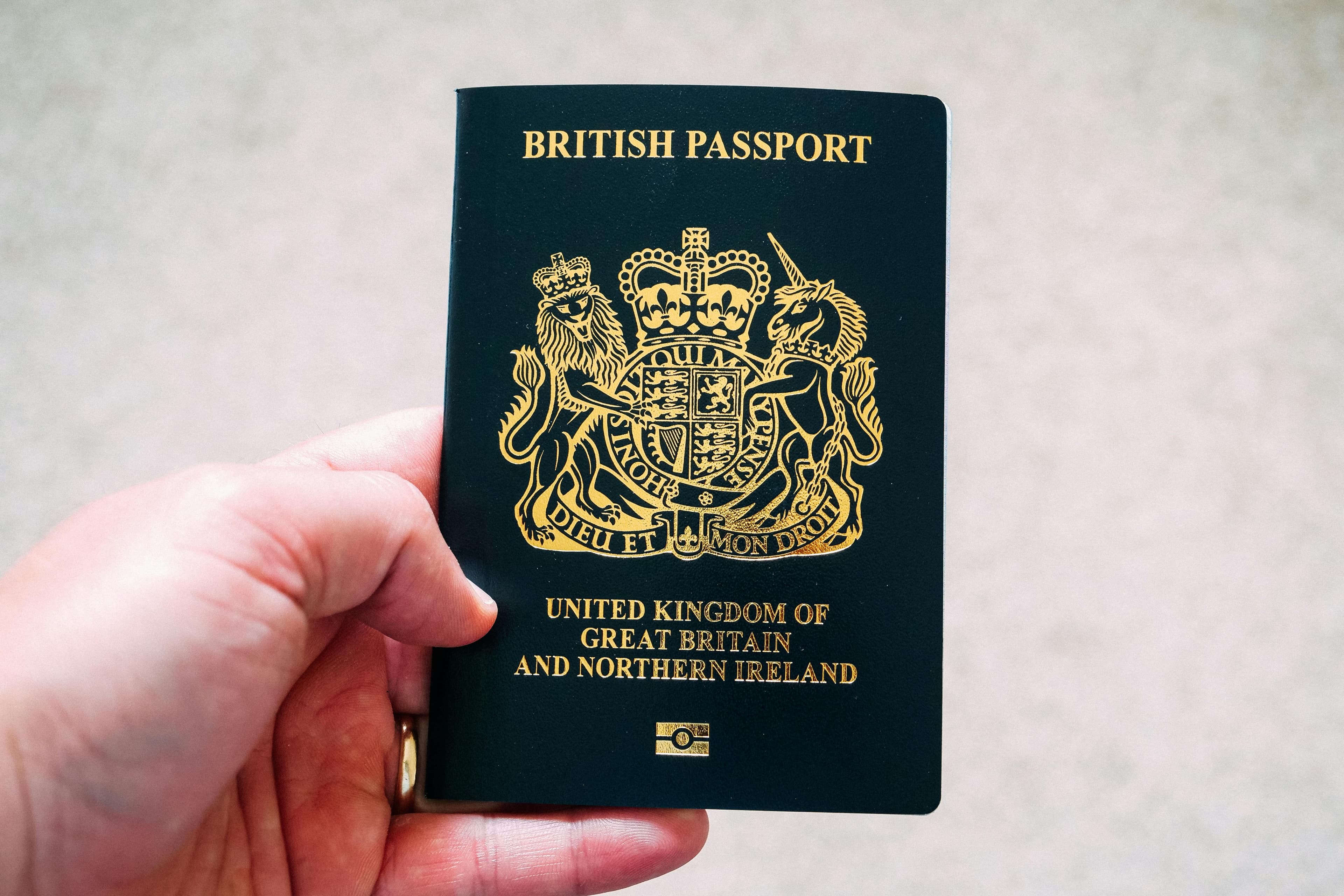
Applying for a UK visa from India can feel straightforward until you receive a rejection. Many applicants get refused not because they are ineligible, but because of avoidable mistakes in documentation, financial proof, or application clarity.
This guide breaks down the most common UK visa rejection reasons for Indians and shows you exactly how to avoid them so your application stands a strong chance of approval.
Why Do UK Visas Get Rejected?
The UK visa process is detail-oriented. Even a small inconsistency can raise concerns for the visa officer. Most rejections happen due to lack of clarity, incomplete documentation, or weak financial evidence.
Understanding these pitfalls early can save you time, money, and stress.
1. Insufficient Financial Proof
One of the most common reasons for rejection is failing to prove that you can support yourself during your stay.
Visa officers expect to see a stable financial history, not just a sudden large deposit.
How to avoid this
- Maintain a consistent bank balance for at least 6 months
- Provide income proof such as salary slips or business income
- Avoid unexplained large transactions
2. Incomplete or Incorrect Documentation
Missing even a single required document can lead to immediate rejection.
This includes outdated bank statements, missing cover letters, or incorrect personal details.
How to avoid this
- Double-check all required documents before submission
- Ensure all information matches across documents
- Include a clear and concise cover letter
3. Lack of Strong Ties to India
Visa officers need to be confident that you will return to India after your visit.
If your application does not clearly show this, it raises a red flag.
How to avoid this
- Provide employment proof or business ownership documents
- Include property ownership or rental agreements
- Mention family ties in your application
4. Unclear Travel Purpose
If your reason for visiting the UK is vague or inconsistent, your application may be rejected.
For example, stating tourism without a clear travel plan can weaken your case.
How to avoid this
- Submit a detailed travel itinerary
- Include hotel bookings or invitation letters
- Clearly explain your purpose of visit
5. Previous Immigration History Issues
Past visa refusals or overstays in any country can impact your UK visa application.
How to avoid this
- Be honest about your travel history
- Provide explanations for any previous refusals
- Show improved financial and personal stability
6. Weak Cover Letter
A poorly written or generic cover letter fails to explain your intent and background properly.
How to avoid this
- Write a personalized cover letter
- Explain your travel purpose, financial status, and return plans
- Keep it clear, structured, and honest
7. Errors in the Application Form
Even small mistakes like incorrect dates or mismatched details can lead to rejection.
How to avoid this
- Review your application multiple times
- Ensure consistency with supporting documents
- Avoid rushing through the form
How to Improve Your UK Visa Approval Chances
A strong application is not about adding more documents, but about adding the right ones with clarity.
Focus on consistency, transparency, and proper documentation. Think of your application as a story that needs to make sense to someone reviewing it for the first time.
Final Thoughts
UK visa rejections are often preventable. Most applicants who get refused could have avoided it with better preparation and guidance.
If you are serious about getting your visa approved without unnecessary delays or stress, it is worth getting expert support.
Need Help With Your UK Visa Application?
Applying for a visa does not have to be confusing or risky.
LeSo helps you prepare a complete, error-free UK visa application with the right documentation, financial proof, and expert guidance.
Reach out to LeSo today and take the guesswork out of your UK visa process.