
Applying for a UK visa as a self-employed individual can feel confusing, especially when your income does not come with a standard salary slip. The key is to present clear, verifiable proof of your business, income, and financial stability. This guide breaks down exactly what documents you need and how to prepare them so your application stands strong.
Why Documentation Matters for Self-Employed Applicants
Unlike salaried applicants, self-employed individuals need to prove both income consistency and business legitimacy. UK visa officers assess whether your financial position supports your travel and whether you have strong ties to India.
Well prepared documents reduce the chances of delays or rejection and help your application move smoothly.
Complete List of UK Visa Documents for Self-Employed Applicants
1. Identity and Travel Documents
Start with the basics. These are mandatory for every applicant.
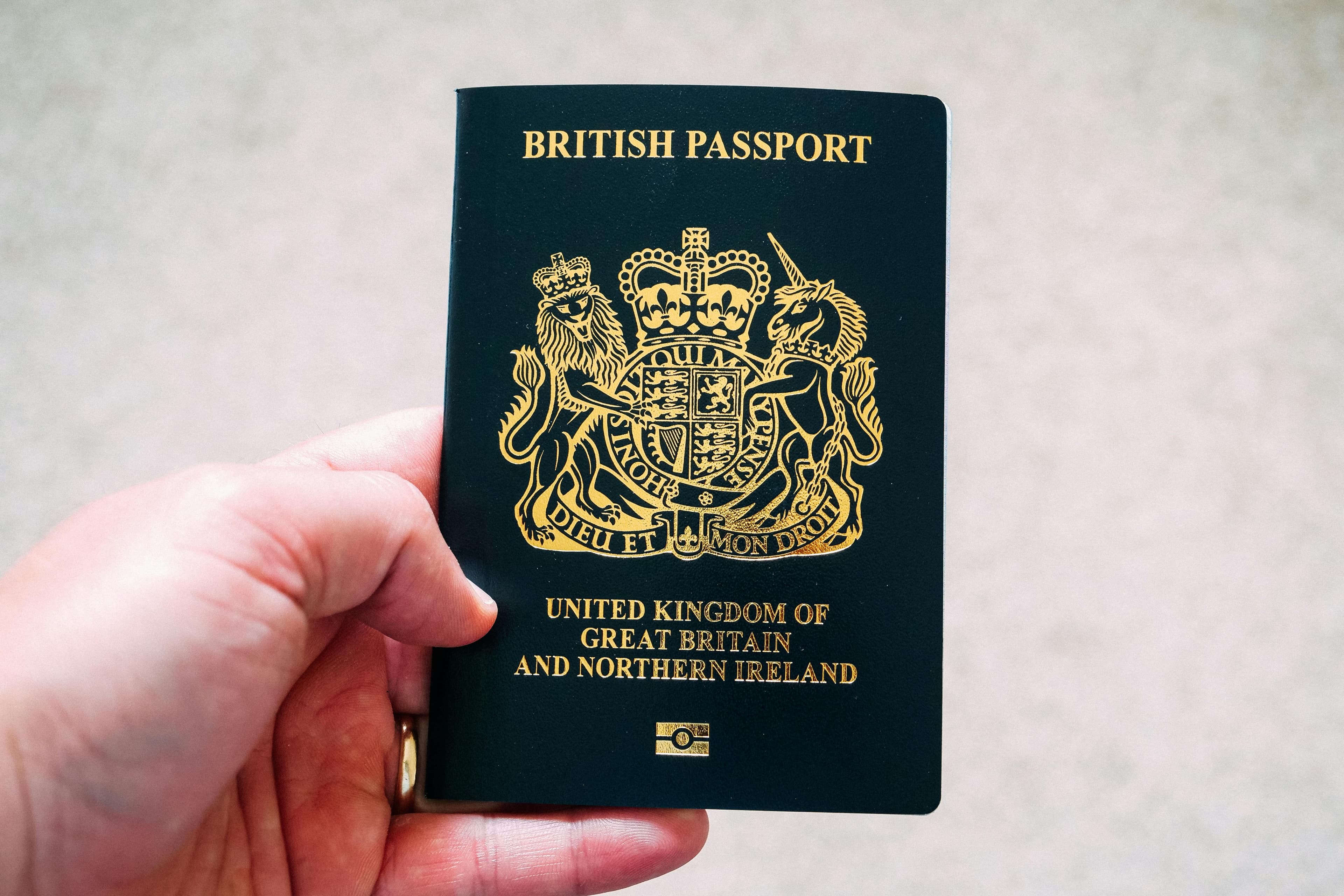
- Valid passport with at least one blank page
- Old passports if available
- Passport size photographs as per UK specifications
2. Business Proof Documents
You need to establish that your business is real and operational.
- Business registration certificate
- GST registration certificate if applicable
- Shop and establishment license or trade license
- Partnership deed or incorporation certificate for companies
- Business profile or company overview
3. Financial Documents
This is the most important section for self-employed applicants.
- Bank statements for the last six months, both personal and business accounts
- Income Tax Returns for the last two to three years
- Chartered Accountant certified financial statements
- Profit and loss statement
- Balance sheet
Make sure your income shown in ITR matches your bank transactions. Any mismatch can raise concerns.
4. Proof of Income Stability
Visa officers want to see that your income is consistent.
- Invoices issued to clients
- Payment receipts
- Contracts or agreements with clients
- Freelance platform earnings if applicable
These documents help validate your earnings beyond just tax filings.
5. Travel Plan and Accommodation Details
Clearly explain your purpose of visit.
- Cover letter explaining your trip
- Travel itinerary
- Hotel bookings or invitation letter if staying with someone
Your cover letter should connect your financials, business, and travel intent clearly.
6. Proof of Ties to India
This is crucial to show that you will return after your visit.
- Property ownership documents
- Business ownership proof
- Family details
- Ongoing business commitments
Strong ties reduce the risk perception in your application.
Common Mistakes to Avoid
Many self employed applicants face rejection due to avoidable issues.
- Submitting incomplete financial records
- Showing inconsistent income across documents
- Not explaining business nature clearly
- Weak or generic cover letter
Clarity and consistency matter more than volume of documents.
Pro Tips to Strengthen Your Application
Keep your documentation clean and structured. Label each document properly. Ensure all financial data aligns across bank statements, ITR, and CA reports.
Your cover letter should tell a simple story. Who you are, what your business does, why you are traveling, and why you will return.
Final Thoughts
Getting a UK visa as a self-employed applicant is absolutely achievable with the right documentation. The goal is to build trust through clarity, consistency, and proof.
If you are unsure about your documents or want to avoid mistakes, it helps to get expert guidance.
Need Help With Your UK Visa Application?
Applying on your own can be stressful, especially when your income structure is not straightforward. That is where LeSo can help.
LeSo simplifies the entire visa process for self-employed professionals. From document verification to application support, you get step-by-step guidance tailored to your profile.
Reach out to LeSo today and make your UK visa journey smooth and stress free.