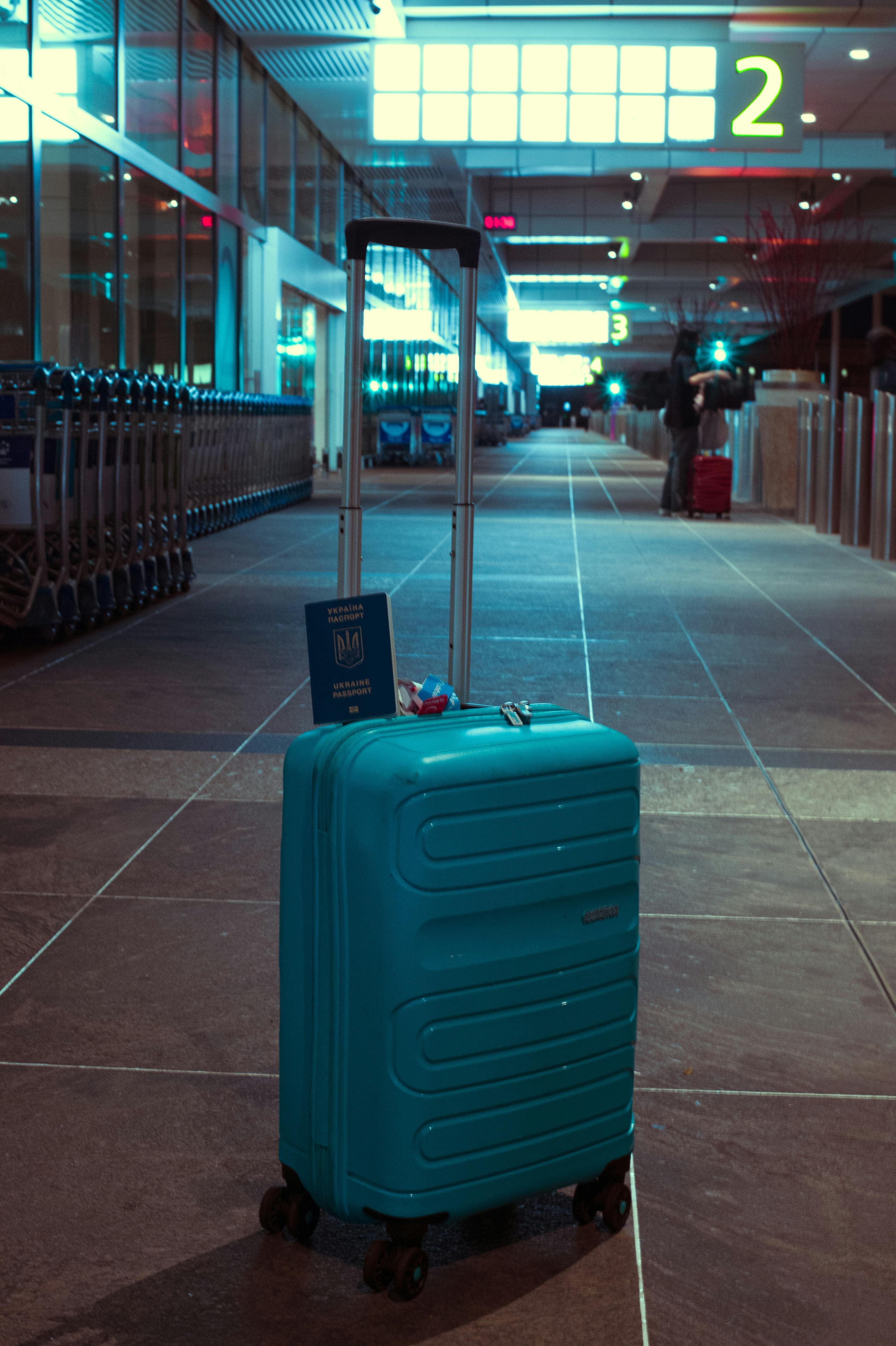
Navigating Sweden at night as a solo traveler can be safe and smooth when you plan your routes, transfers, and transport options in advance, reducing last-minute confusion and avoidable risks. A safety-first night plan helps reduce confusion, missed connections, and avoidable risk.
Route overview: planning safer night movement across Swedish cities
Start with a city-to-city route that limits late arrivals and keeps transfers simple. Use direct connections where possible, and avoid stacking multiple night hops in one stretch.
- Prefer well-connected hubs for late check-in nights.
- Keep backup options ready for last-leg hotel transfer.
- Save station and accommodation locations offline.
Day-wise plan with late-evening and night transfer checkpoints
- Before evening: confirm departure platform, arrival time, and onward transfer method.
- At departure: verify ticket, gate updates, and emergency contact access.
- At arrival: move through lit and active routes only.
- At hotel reach: confirm entry details in advance to avoid street waiting.
These checkpoints reduce last-minute uncertainty during solo movement.
Transport between cities at night: trains, buses, taxis, and app cabs
Choose transport based on reliability, timing, and destination access.
- Trains: efficient for major intercity links with clear schedules.
- Buses: useful on specific routes; confirm stop location before arrival.
- Taxis/app cabs: practical for final-mile late-night transfer.
- Night walks: keep short and on familiar, lit paths only.
Budget and stay split for safer late-night routes and locations
Safety planning should be built into budget decisions.
- Stay budget: choose location quality and access over lowest nightly rate.
- Transport budget: keep reserve for safer late-hour transfer choices.
- Emergency buffer: set aside funds for route changes.
A smart split prevents risky decisions caused by tight cash at night.
Best order of city transfers to reduce night travel risk
Arrange city sequence to keep longer journeys in daytime and shorter final movements at night. Place complex transfers earlier in the day and keep arrival nights in well-connected districts.
- Lock long intercity leg first.
- Schedule arrival before very late hours where possible.
- Keep departure hub close on final night.
Practical travel tips for solo night transport safety
- Share live itinerary updates with a trusted contact.
- Keep phone charged and power backup ready.
- Use verified transport booking channels only.
- Avoid exposing valuables during transfers.
- Trust route planning over spontaneous detours at night.
Consistent planning makes night travel far safer. If you’re unsure whether your route, transfers, or late-night movements are structured safely, many solo travelers at this stage choose to reach out to LeSo on WhatsApp for a quick review of their itinerary and transport plan to avoid risky gaps.
Frequently Asked Questions
Is night transport in Sweden manageable for solo travelers?
Yes, with route planning, verified bookings, and disciplined transfer choices, solo night movement can be smooth.
Should I avoid all late-night intercity travel?
Not always, but reduce unnecessary late arrivals and prioritize direct, reliable connections.
What is the biggest safety mistake at night?
Unplanned final-mile movement after arrival is a common risk point.