South Africa offers incredible landscapes and city experiences, but planning with safety in mind is essential. Understanding common tourist scams early helps you move smoothly across cities without unnecessary risk or confusion.
Route overview and trip flow with safer city transitions
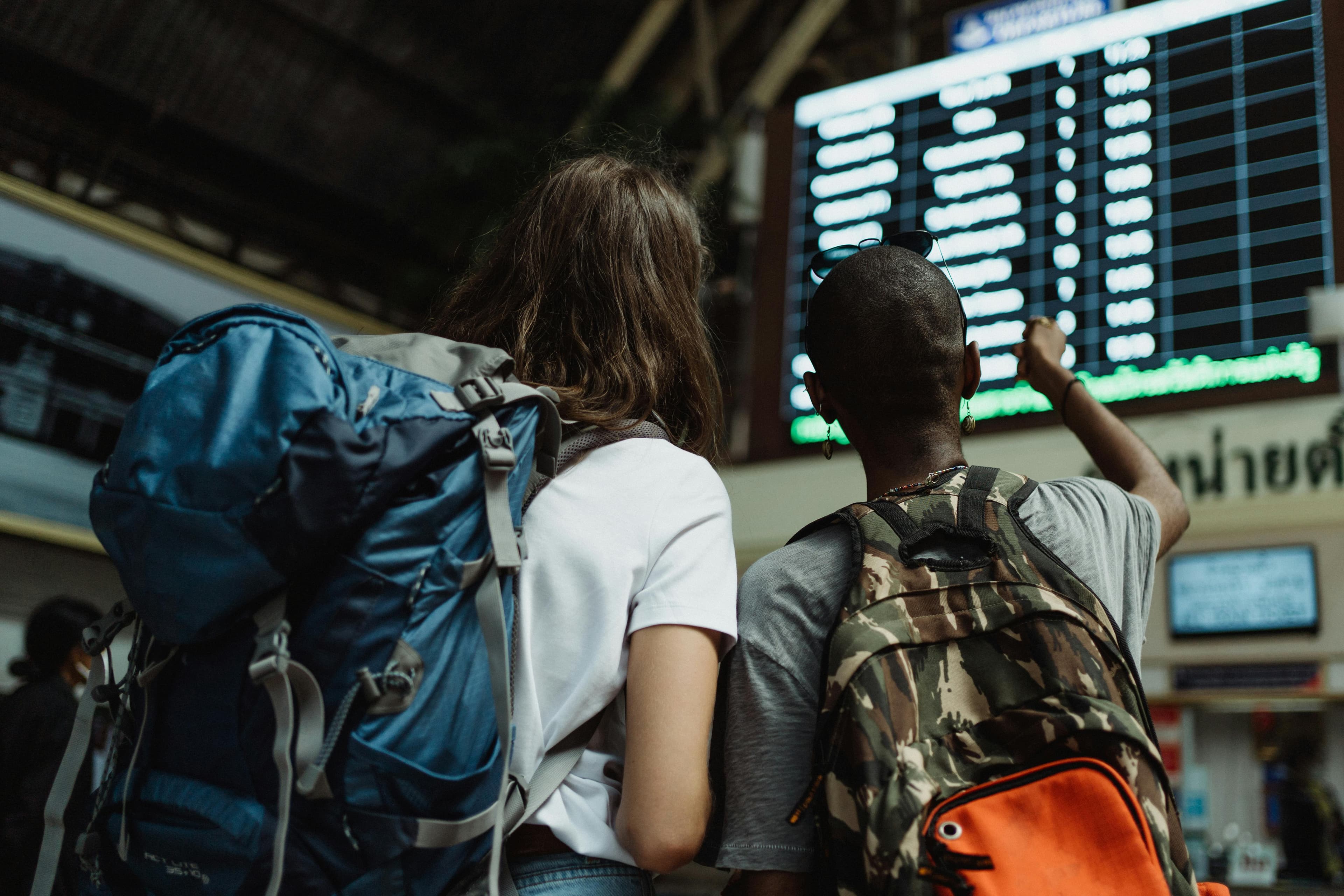
For first-time travelers, a practical flow is Cape Town to Garden Route stopovers to Gqeberha or back to Cape Town, then Johannesburg and nearby excursions. Keep long intercity moves in daytime where possible. Avoid very late first-night arrivals in unfamiliar areas, especially when carrying luggage and searching for local transport options.
- Use direct flight or rail segments between major hubs whenever possible.
- Keep one buffer half-day between key city transitions.
- Confirm airport or station pickup details before departure day.
Best order of cities and neighborhoods for first-time visitors
Choose neighborhoods based on safety profile, public activity, and proximity to your daily route. In Cape Town, stay in well-reviewed central or waterfront-connected zones. In Johannesburg, prefer business or established residential areas with reliable ride availability and clear street access.
- Start in Cape Town for easier orientation and structured sightseeing.
- Add Garden Route or Winelands with pre-booked transport.
- Finish in Johannesburg with planned day trips and fixed return transfers.
Day-wise plan with low-risk transport and arrival timing
Build your day around predictable movement windows. Start early for attractions, keep midday for planned transfers, and return before very late hours unless using verified pickup-to-drop rides. Share your daily movement plan with a trusted contact.
Sample day split: morning sightseeing, afternoon transit or guided activity, evening dining in well-trafficked areas with pre-booked return transport.
Transport between cities and common scam hotspots to watch
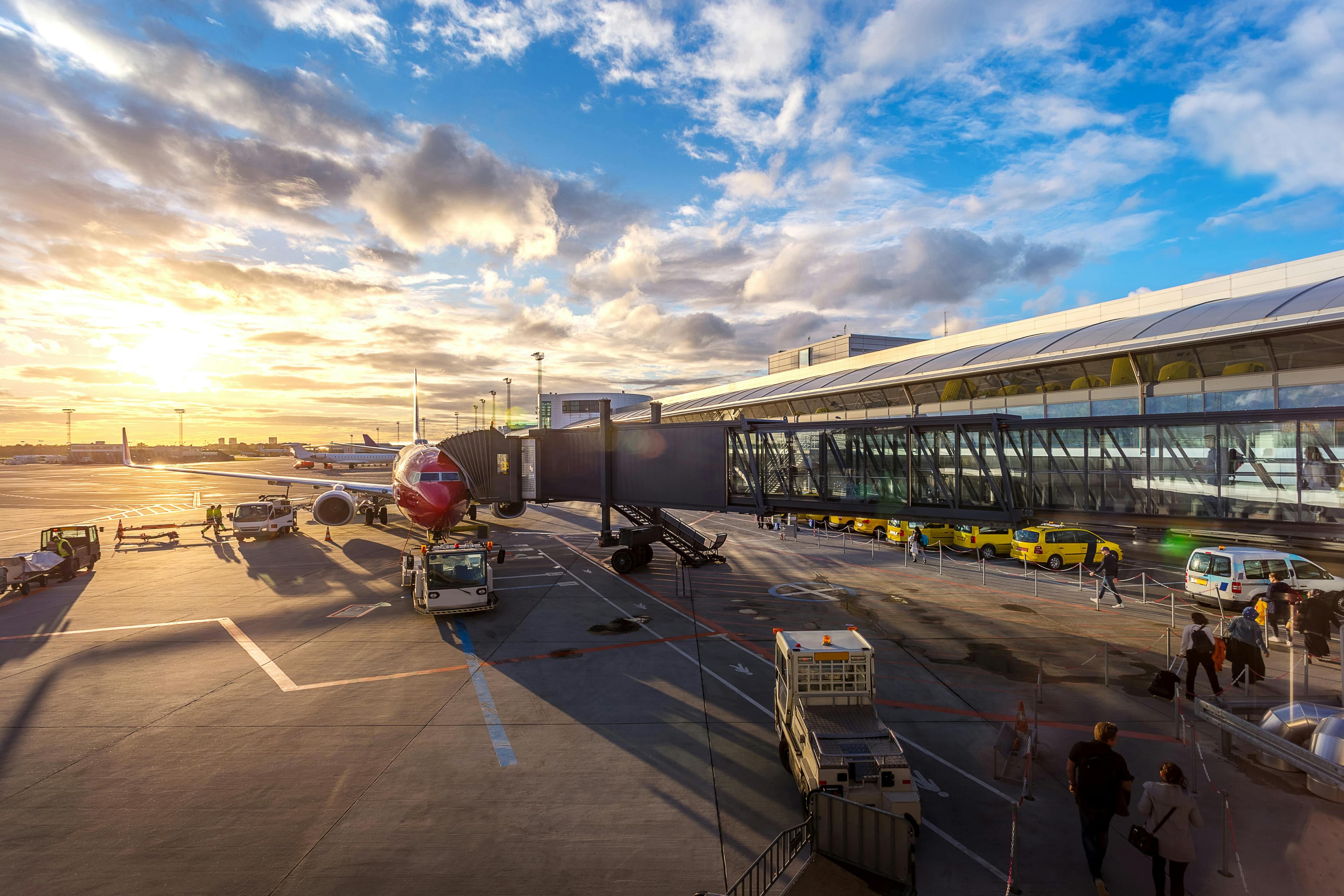
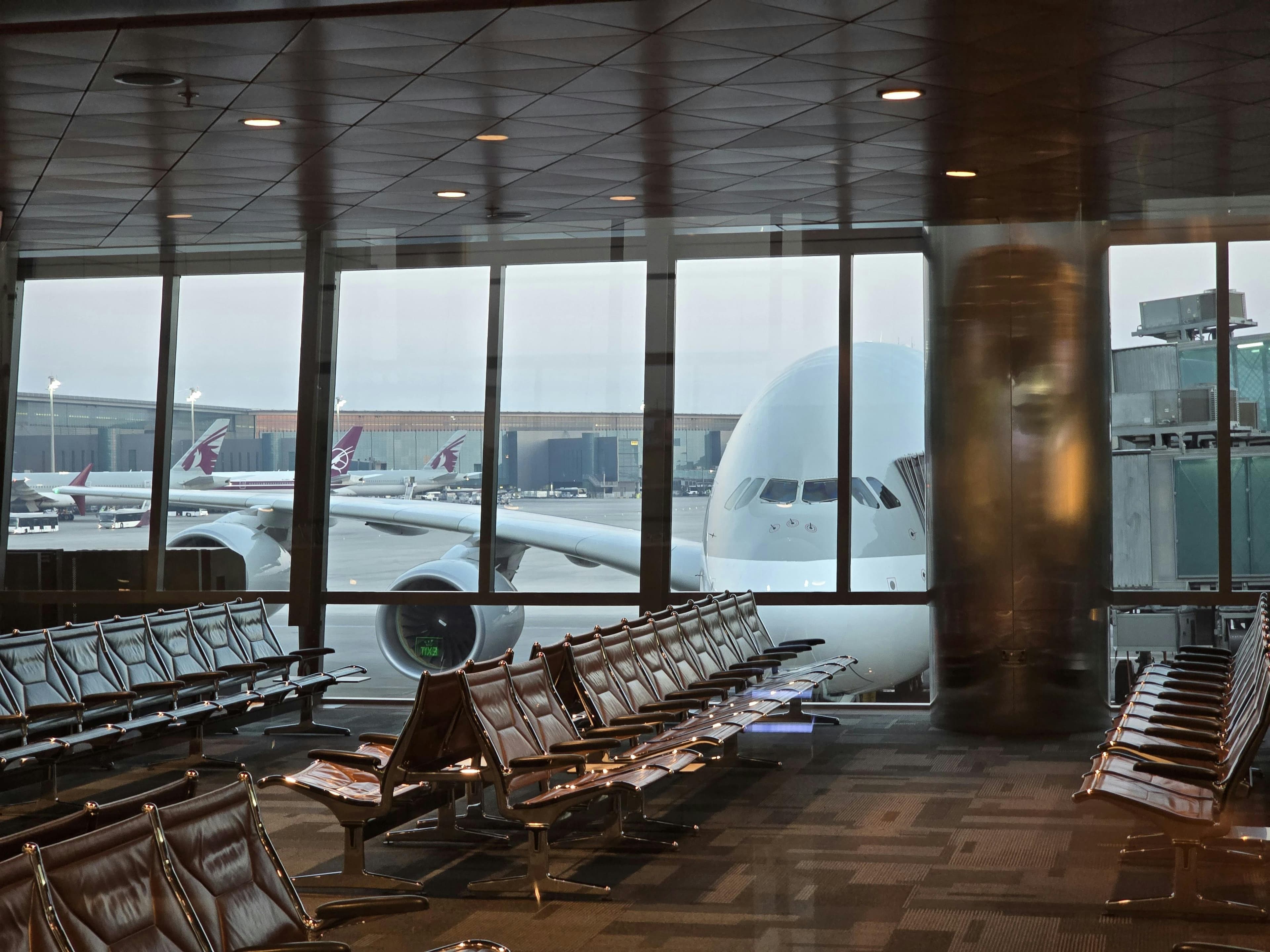
Scam attempts are more likely around airports, intercity bus terminals, tourist parking zones, and crowded attraction entrances. Common patterns include inflated taxi pricing, unverified guide offers, fake ticket help, and distraction-based theft attempts.
- Use app-based or hotel-arranged transport instead of random street solicitation.
- Verify vehicle registration and driver identity before boarding.
- Avoid handing over phone, wallet, or cards during unsolicited help.
- Check payment amount on card machines before approval.
Budget and stay split for safer areas, late arrivals, and backups
Allocate budget with safety priorities first: neighborhood quality, dependable transfers, and backup rebooking options. Spending slightly more on a safer location can lower overall risk and reduce emergency costs later in the trip.
- Keep 10-15% contingency for transport changes and safe rerouting.
- Prefer refundable or flexible bookings during multi-city plans.
- Carry one backup payment option separately from your primary wallet.
Practical travel tips to avoid common tourist scams in South Africa
- Book major transfers in advance and save screenshots offline.
- Limit visible cash handling in crowded public zones.
- Use ATMs in secure, monitored locations only.
- Do not accept unofficial ticketing or fast-track offers near attractions.
- If a situation feels rushed or unclear, step away and verify independently.
If you want your route, stays, and transfers double-checked for safety before booking, you can message LeSo on WhatsApp and get a clear, low-risk version of your itinerary mapped out. It is especially useful when you are balancing multiple cities and want to avoid last-minute decisions in unfamiliar areas.
Frequently Asked Questions
Which places are most common for tourist scam attempts?
High-traffic transport hubs and crowded attraction surroundings need extra caution.
Is app-based transport safer than street hailing?
In most cases, yes, because booking records and driver details are easier to verify.
Should I avoid late-night arrivals?
When possible, yes. Daylight or early evening arrivals simplify transfers and reduce confusion.
How much safety contingency budget should I keep?
A practical range is 10-15% of your total trip budget for safer alternatives and unexpected changes.