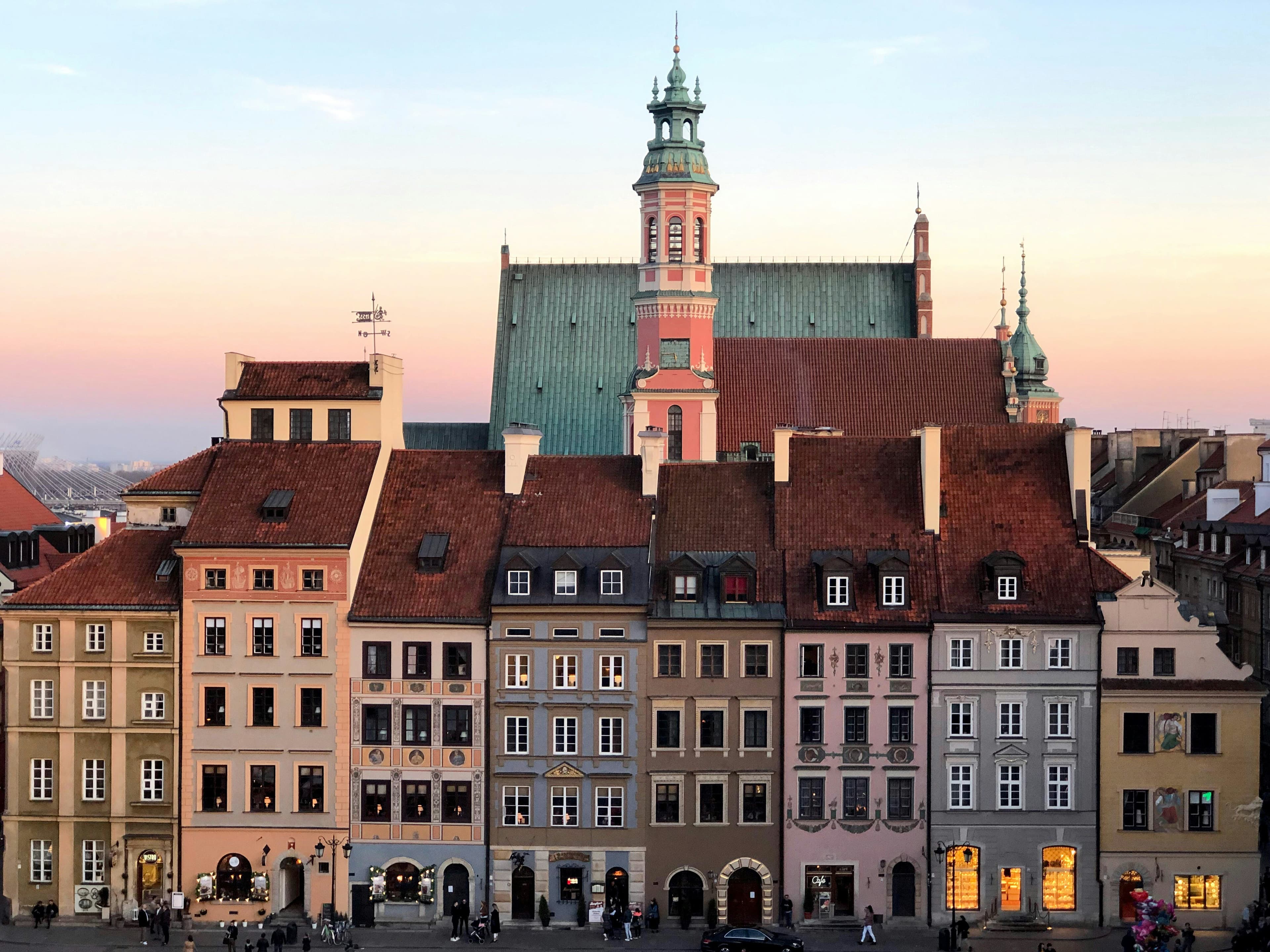

Planning a trip to Poland becomes much smoother when you align your travel dates with weather patterns and key festivals. Choosing the right month and structuring your route accordingly helps you avoid crowds, manage costs, and travel efficiently.
Poland Travel Seasons at a Glance: Best Trip Flow by Month
Poland generally works in three travel bands: high season (summer), shoulder seasons (spring and autumn), and low season (winter except holiday weeks). If your priority is mild weather and long sightseeing days, late spring to early autumn is usually the easiest fit.
- High season: longer days, busier attractions, higher hotel rates.
- Shoulder season: balanced weather, moderate crowds, better value.
- Low season: colder conditions, but festive winter-city atmosphere.
Month-by-month Weather Pattern Across Poland
Weather varies by month, so pack and plan city time blocks accordingly. Spring and autumn usually support flexible day plans, while winter needs stronger layering and shorter outdoor blocks.
- Spring: cool mornings, pleasant afternoons, light-rain prep recommended.
- Summer: warmer days, ideal for walking-heavy itineraries.
- Autumn: crisp weather with color-rich city parks and old towns.
- Winter: cold and early dusk; prioritize indoor-outdoor mixed plans.
Month-by-month Festival and Event Calendar for Trip Planning
Festival timing can shape your route and stay length. Book intercity transport and central stays earlier when your dates overlap with major events.
- Identify your target month and key festival dates first.
- Anchor 1-2 cities around events, then add nearby day trips.
- Keep one buffer day for weather or schedule shifts.
This approach avoids rushed transit and helps you enjoy events without overloading the itinerary.
Best Order of Cities by Season and Weather Comfort
For comfort and efficiency, sequence cities by season and transfer time rather than distance alone. Keep long rides on cooler days and walking-heavy days in milder weather windows.
- Peak months: book stays near major stations to save transfer time.
- Shoulder months: mix heritage cities with nature day trips.
- Low season: use rail-focused plans and indoor cultural blocks.
Transport and Stay Strategy by High, Shoulder, and Low Season
Transport and accommodation strategy should shift based on demand levels. High season requires early bookings, while shoulder and low seasons allow more flexibility and better pricing. Planning your stays close to key transit points can save both time and energy during the trip.
If you are unsure which month fits your travel style or how to align festivals with your route, mapping your dates and cities together before booking can make a big difference, and you can reach out to LeSo on WhatsApp to get a customized plan based on your preferred travel window and itinerary flow.
Which month is best for first-time Poland travel?
Shoulder months are often easiest for balanced weather, manageable crowds, and good value.
Can I plan festivals and sightseeing together?
Yes, keep festival days as anchors and build lighter local plans around them.
How many cities should I include in one trip?
For a comfortable pace, choose fewer cities with longer stays rather than frequent transfers.