
A Netherlands shoulder season trip is ideal for travelers who want smoother city visits, shorter queues, and better value on stays. With the right route flow and timing, you can cover key regions comfortably without peak-season pressure.
Netherlands Route Overview and Shoulder Season Trip Flow
A practical shoulder-season flow is Amsterdam as the entry base, then Utrecht or The Hague, followed by Rotterdam and one smaller-town stop. This sequence limits backtracking and keeps transit simple.
- Use one major city as your transport anchor.
- Group nearby regions in the same 1-2 day block.
- Keep one flexible half-day for weather changes.
Day-Wise Shoulder Season Plan by Region
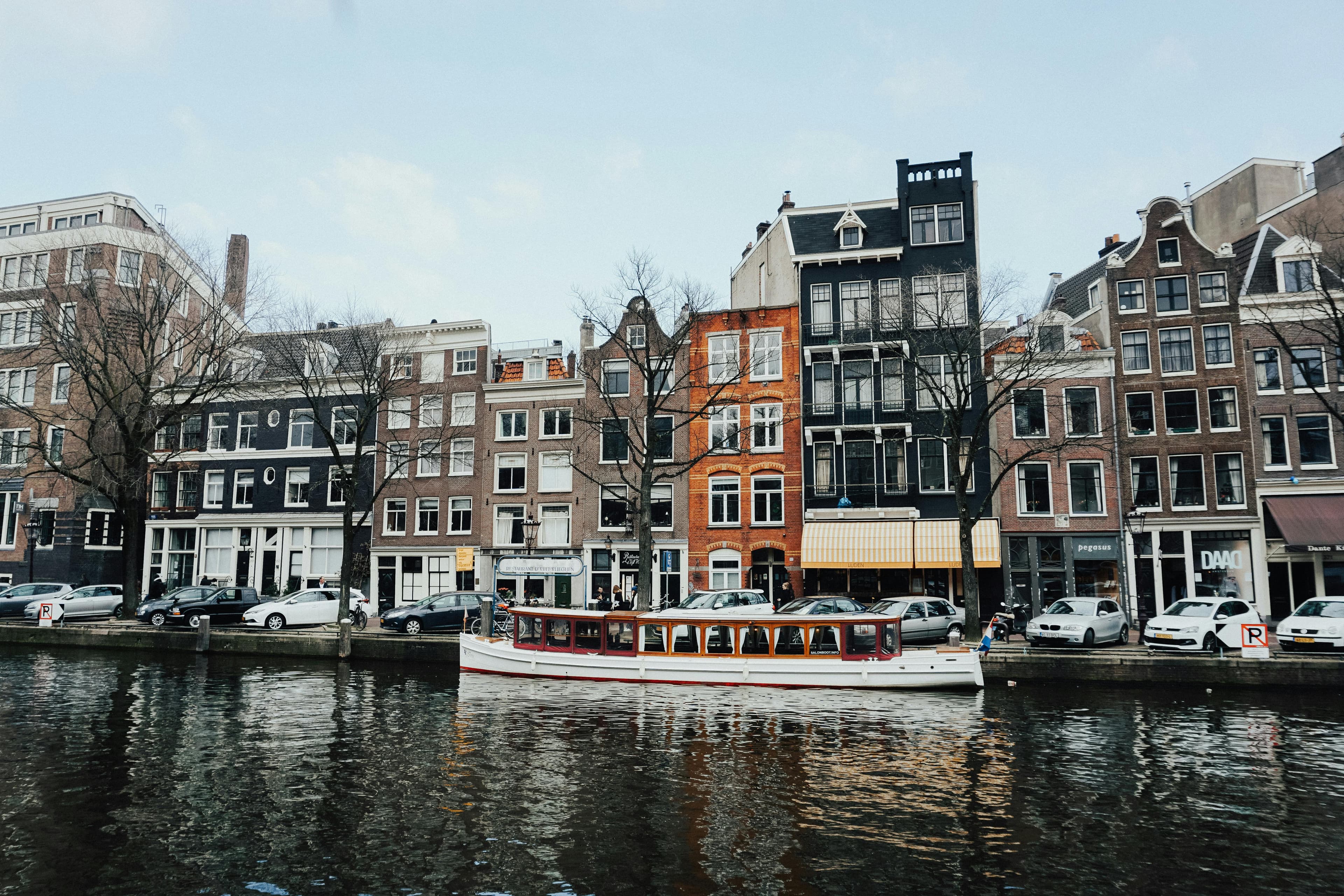
- Day 1-2: Amsterdam canals, museums, and evening neighborhoods.
- Day 3: Utrecht day plan with compact old-town walking loop.
- Day 4: The Hague museums and coastal stretch if weather is clear.
- Day 5: Rotterdam architecture and riverfront circuit.
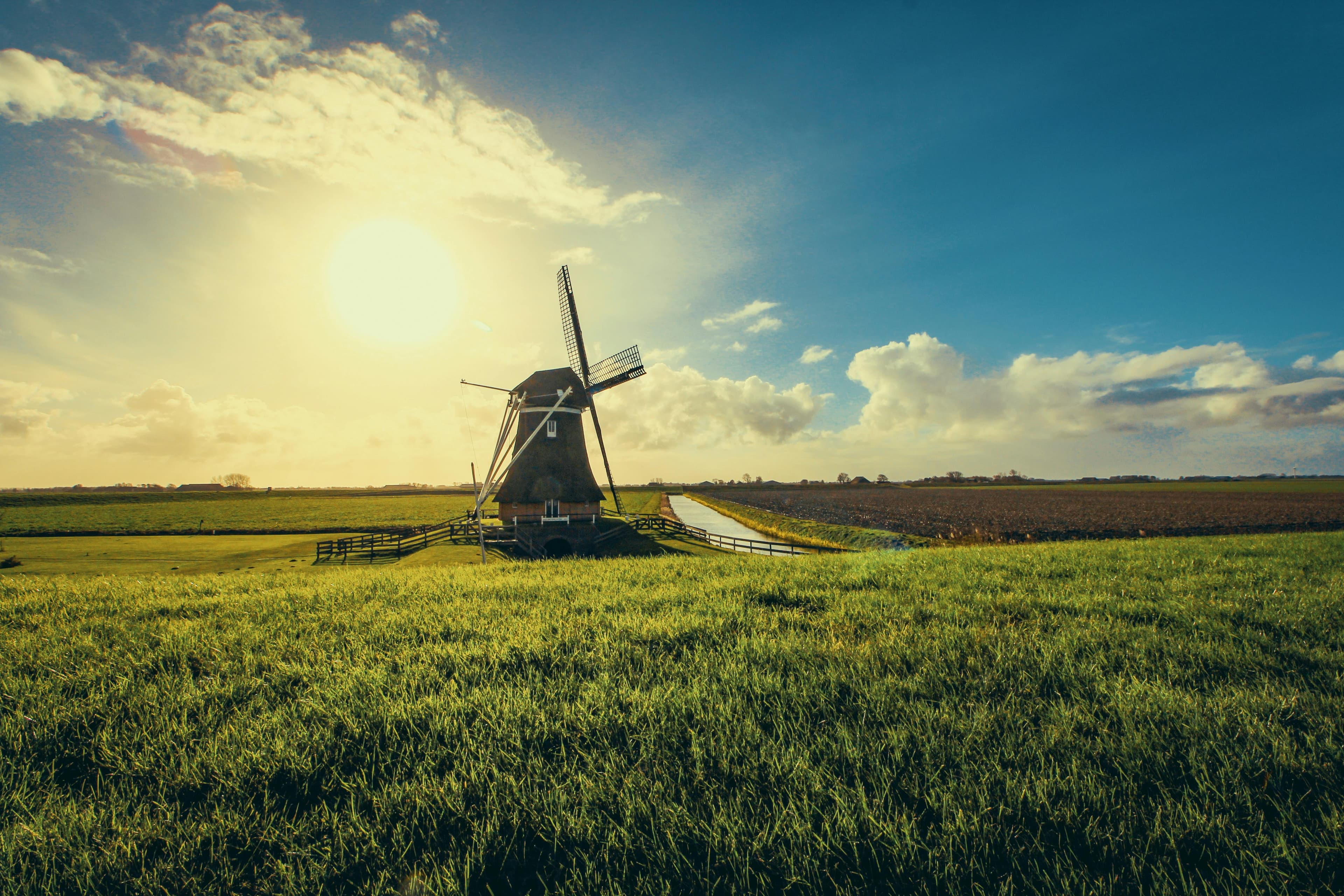
- Day 6-7: Small-town or countryside add-on, then return to departure city.
This pace helps first-time visitors enjoy highlights while keeping travel days light.
Transport Between Cities During Shoulder Months
Intercity rail works well for most Netherlands routes during shoulder months, with good frequency and predictable transfer points.
- Book longer intercity segments early when weekend demand rises.
- Plan station-to-hotel access before finalizing accommodation.
- Use off-peak departures when possible for a calmer travel experience.
Short transfer windows are easier in shoulder season, but keep buffer time during rainy days.
Budget and Stay Split for Better Value
Shoulder season often improves hotel value versus peak months, especially outside core weekend dates.
- Stay split: 3-4 nights in one central base, then 2-3 nights in a second base.
- Budget split: accommodation first, then transport, then attractions and dining.
- Value tip: prioritize locations near transit instead of lowest nightly rate alone.
This approach reduces hidden commuting costs and saves time each day.
Best Order of Cities for Lower Crowds and Smooth Travel
Visit high-demand attractions early in the trip and schedule flexible or outdoor experiences later. Moving in one directional loop usually avoids unnecessary retracing and keeps luggage movement simple.
Practical Shoulder Season Tips for Weather, Packing and Bookings
- Pack light layers, a compact rain shell, and comfortable walking shoes.
- Pre-book key museums and popular time slots even in shoulder months.
- Start sightseeing earlier to avoid midday crowd build-up.
- Keep one indoor backup plan for rainy half-days.
- Check local event calendars before locking hotel dates.
If you want a customized Netherlands itinerary, route optimization, or visa support, you can reach out to LeSo on WhatsApp for quick guidance and planning help.
Frequently Asked Questions
Which months are usually considered shoulder season for the Netherlands?
Commonly spring and autumn shoulder windows are preferred for balanced weather, moderate demand, and better pricing versus peak summer dates.
Is shoulder season good for first-time visitors?
Yes, it is often ideal for manageable crowds, easier transit, and better overall value.
How many cities should I include in a one-week trip?
Usually 3-4 city or region bases keep the trip comfortable without rushing.