
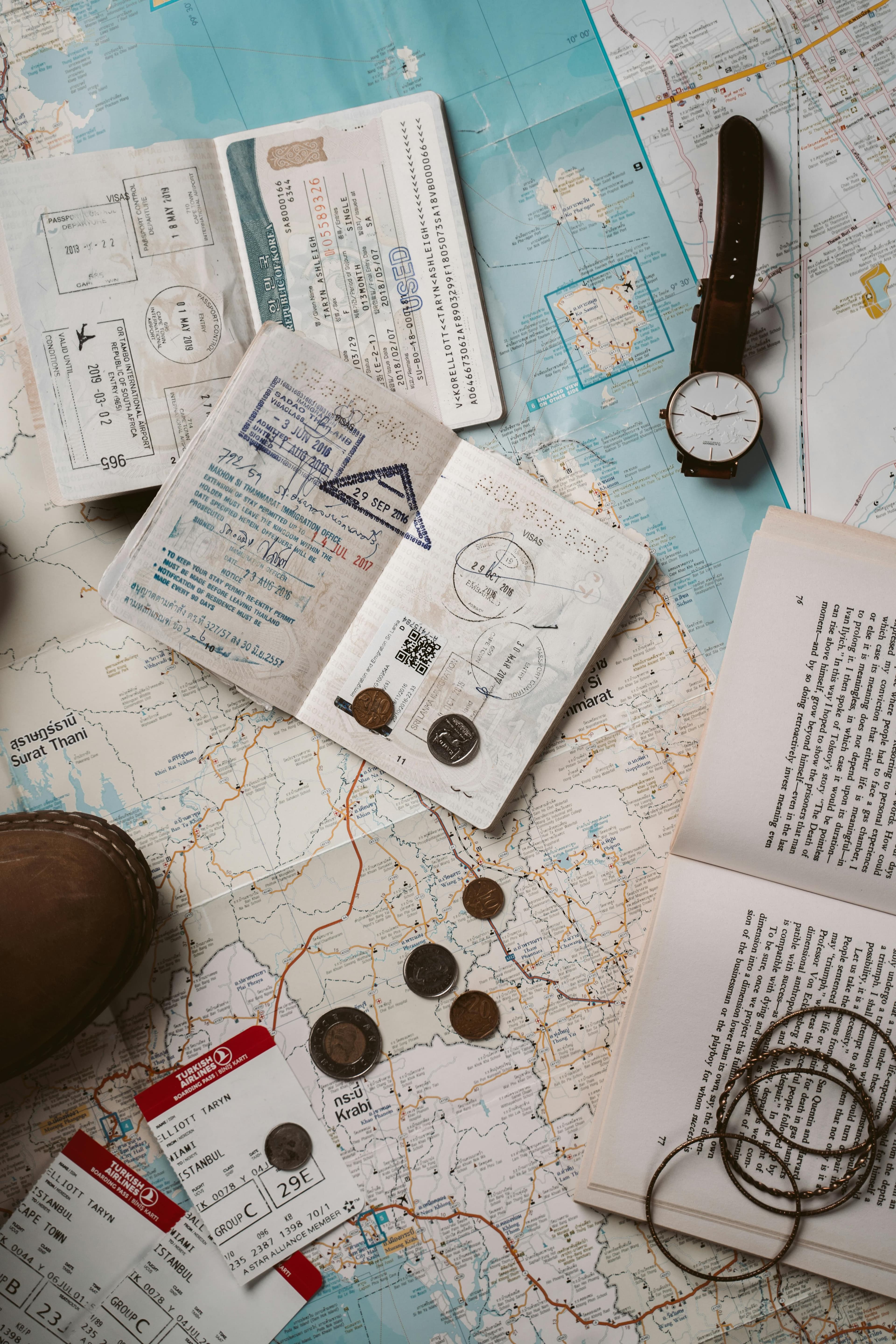
Money exchange and payment mistakes in Netherlands travel can quietly inflate your trip costs through poor FX decisions, hidden card fees, and avoidable transaction failures if not planned in advance. With a clear payment setup before departure, you can move smoothly across cities and reduce last-minute money stress.
Route overview: where payment mistakes typically happen during a Netherlands trip
Payment issues often happen during airport arrival, station transfers, and first hotel check-in. Travelers also face problems at smaller kiosks, transit points, and places with strict card acceptance patterns.
- Arrival day: rushed currency exchange at poor rates
- Intercity transfers: ticket purchase delays due to card issues
- Neighborhood spending: repeated small fees from wrong card usage
Day-wise plan to manage cash, cards, and transit payments
- Before departure: enable international transactions and app alerts on all primary cards.
- Day 1: use card-first payments, keep small backup cash only for limited needs.
- Day 2-4: monitor transaction fees and avoid unnecessary ATM withdrawals.
- Day 5 onward: rebalance spending between primary and backup cards if limits are near.
A simple day-wise approach prevents payment friction and duplicate fee leakage.
Transport between cities: ticketing and payment pitfalls to avoid
Intercity train and local transit payments can fail when cards are not configured correctly or limits are reached.
- Do not rely on one card for all transport segments.
- Keep one backup payment method active and tested.
- Download transport apps in advance and save ticket confirmations offline.
- Avoid last-minute top-ups at crowded stations when network is weak.
Budget split for cards, small cash needs, and transaction fees
A clear budget split improves control and reduces unplanned charges.
- Card spending bucket: stays, transport, larger purchases.
- Small cash bucket: minor local purchases where needed.
- Fee buffer: FX markup, ATM fee, and unexpected service charges.
Tracking these separately helps identify where money is leaking.
Best order for setting up cards, apps, and backups before and after arrival
- Set travel notice and international controls before flight.
- Enable tap-and-pay and in-app transaction notifications.
- Carry at least one backup card from a different network.
- Test one low-value transaction after arrival.
- Store emergency card-block contacts and wallet backups securely.
Practical travel tips to avoid ATM, exchange, and card-decline issues
- Prefer trusted ATM locations and avoid repeated small withdrawals.
- Check conversion details before confirming any exchange operation.
- Keep cards physically separate to reduce single-point failure risk.
- Use secure network connections for banking app actions.
- Review daily spending and fee entries each evening.
If you want a quick, personalized payment setup based on your route, card type, and travel style, you can reach out to LeSo on WhatsApp for a simple checklist and pre-departure setup guidance—this can help you avoid last-minute surprises and manage your money more efficiently during the trip.
Frequently Asked Questions
Should I carry a lot of cash for Netherlands travel?
Usually no. A card-first approach with limited backup cash is often more practical and safer.
What causes most payment failures on trip days?
Common causes include disabled international settings, single-card dependency, and low available limits.
How can I reduce exchange-related losses?
Plan currency handling in advance, compare rates, and avoid rushed airport exchange decisions.