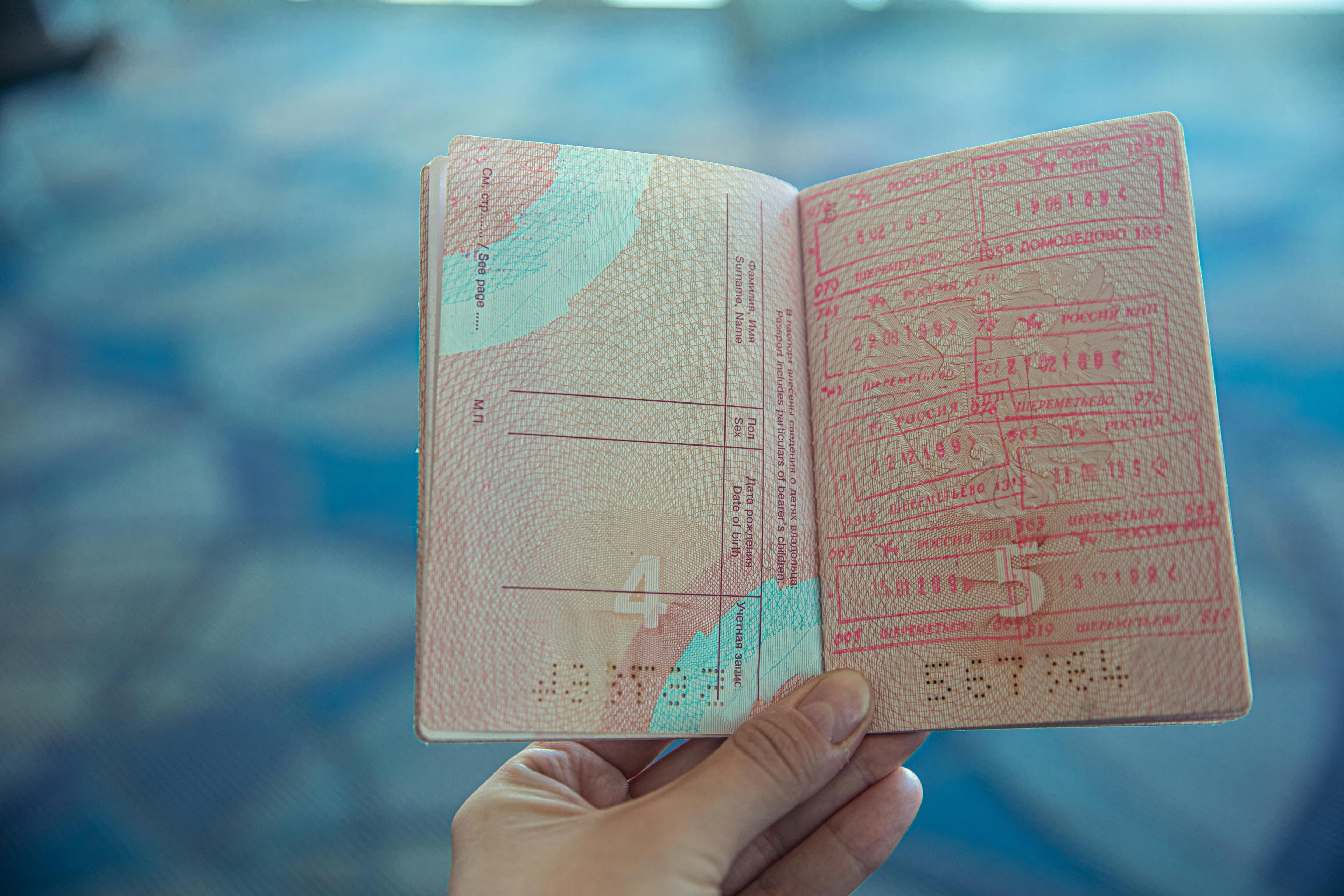
A Morocco visa rejection is often avoidable when your application is complete, consistent, and aligned with eligibility requirements. Preparing everything correctly before submission helps reduce delays and improves your chances of approval.
Most Common Reasons Morocco Visa Applications Get Rejected
Applications are often refused due to incomplete forms, weak supporting evidence, inconsistent travel details, or documents that do not match required format and validity conditions. Small mismatches across passport, itinerary, and financial proof can also create credibility concerns.
- Missing mandatory fields or unsigned declarations.
- Insufficient proof of funds for planned duration.
- Unclear travel purpose or inconsistent itinerary.
- Low-quality scans or unreadable uploads.
Eligibility Conditions Applicants Often Miss
Many applicants focus only on forms and miss eligibility basics such as passport validity window, acceptable travel purpose evidence, and supporting ties to home country. Checking eligibility first prevents late-stage refusal risk.
- Passport validity beyond planned travel timeline.
- Clear purpose-backed itinerary and accommodation plan.
- Demonstrable financial capacity for the trip.
- Supporting ties and return-intent indicators where needed.
Required Documents And Format Rules To Meet
Submit only clear, complete, and correctly formatted documents. Keep naming, dates, and personal details consistent across all files.
- Passport bio page and valid photos per specified dimensions.
- Travel itinerary, booking evidence, and stay details.
- Bank statements and financial proof in acceptable recency.
- Employment/business/student proof where applicable.
- Any required consent or sponsorship records in proper format.
Prevention Checklist Before Final Submission
- Recheck every form field against passport details.
- Verify document validity dates and file clarity.
- Ensure financial proof aligns with trip duration and plan.
- Confirm itinerary, bookings, and purpose narrative are consistent.
- Review all uploads once more before payment/submission.
Financial, Travel Plan, And Supporting Proof Mistakes
Common errors include unexplained balance fluctuations, budget mismatch with itinerary, or unclear sponsorship links. Keep documents coherent: numbers, dates, and travel plan should support one realistic story.
- Avoid partial statements or cropped transaction pages.
- Use recent, verifiable proof with consistent identity details.
- Do not submit conflicting hotel/flight timelines.
What To Do After A Rejection And How To Reapply Better
After refusal, review rejection grounds, correct every flagged gap, and rebuild the file with stronger evidence. Reapply only when updated documents and explanation align fully with eligibility and travel intent.
- Map each rejection point to a specific corrective document.
- Replace weak or outdated proofs with stronger, current records.
- Correct inconsistencies across form, itinerary, and finances.
- Run a final checklist before resubmitting.
Before you reapply, getting your documents reviewed from an outside perspective can help catch gaps you might miss. If you want a quick check on your financial proof, itinerary consistency, or overall file strength, you can message LeSo on WhatsApp and refine your application before submitting again.
Frequently Asked Questions
Can I reapply after a Morocco visa rejection?
Yes, you can reapply after fixing the exact gaps that led to refusal and submitting stronger supporting documents.
What is the most frequent rejection trigger?
Incomplete or inconsistent documentation is one of the most common reasons.
Do document format errors matter?
Yes, unreadable scans, wrong dimensions, or invalid document dates can impact decisions.
How do I lower rejection risk?
Follow a strict pre-submission checklist covering eligibility, document format, financial proof, and itinerary consistency.