
Staying connected in Brazil is much easier when you plan your internet setup in advance instead of figuring it out after landing. This guide walks you through a simple, practical approach to setting up and managing connectivity throughout your trip.
Internet Setup Flow For Brazil Trip (Before Departure To Day 1)
Start your setup before boarding so your first day in Brazil is friction-free.
- Check whether your phone supports eSIM and local network bands.
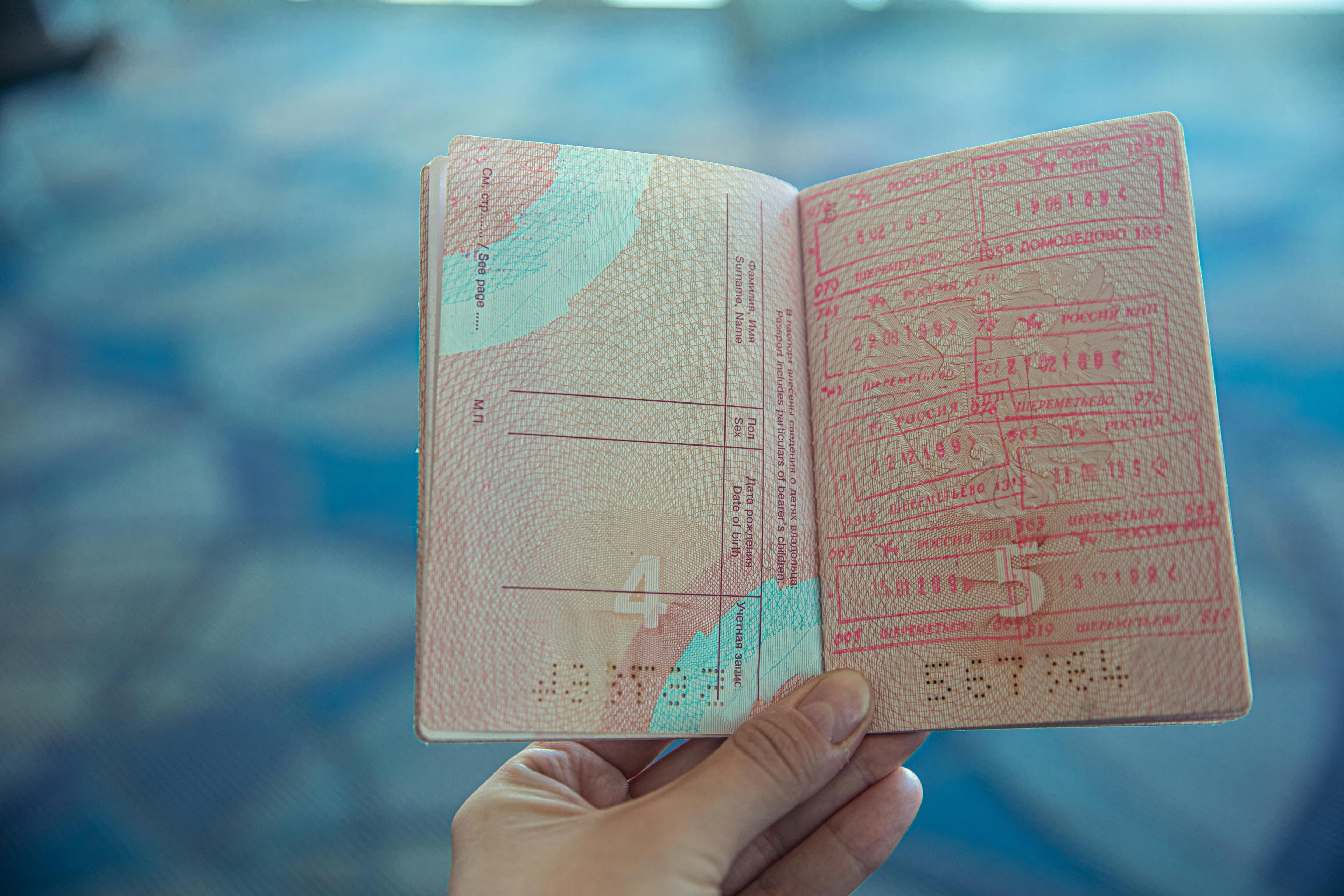
- Keep passport details ready for SIM registration where required.
- Download key apps (maps, ride-hailing, translator, hotel apps) before departure.
- Save hotel and airport transfer details offline as backup.
Best Connectivity Options In Brazil (Local SIM, eSIM, Pocket WiFi)
Choose based on route complexity, trip length, and number of devices.
- Local SIM: often cost-effective for single-device travelers with stable itineraries.
- eSIM: useful for quick activation before landing and reduced setup time.
- Pocket WiFi: practical for families or small groups sharing data.
A mixed approach can work well: eSIM for immediate arrival connectivity and local plan for the main trip.
Day-wise Activation Plan For Smooth Arrival And First Week
- Day 0 (before departure): verify device compatibility and install required apps.
- Day 1: activate primary plan, test maps and messaging, and confirm top-up process.
- Day 2: test data quality around hotel and transit corridors.
- Day 3-5: monitor usage and top up before long intercity movement.
- Day 6-7: keep backup option active for high-mobility days.
Intercity Transport And Network Reliability Between Major Brazil Routes
Coverage can vary across long routes, so plan your data usage around transfer windows.
- Download offline maps before long bus or flight legs.
- Store digital tickets as screenshots to avoid app failures in weak zones.
- Use stable WiFi at stations or airports for large uploads and backups.
- Keep one emergency communication channel always active.
Budget Split By Trip Length (Data Plans, Top-ups, Backup Option)
Use a simple split to avoid underestimating connectivity costs.
- Short trip: primary plan plus small top-up reserve.
- Medium trip: primary plan + one planned top-up cycle.
- Long trip: primary plan + periodic top-ups + backup data option.
- Contingency: keep 10-15% extra for route changes and heavy usage days.
Best Order To Buy, Activate, And Test Internet In Brazil
- Decide plan type based on trip length and number of devices.
- Activate and test in a low-pressure setting (hotel or airport lounge).
- Confirm top-up method and billing cycle immediately.
- Validate network performance on one local and one intercity day.
- Keep backup option available until final travel leg.
Practical Travel Tips To Avoid Roaming Charges And Dead Zones
- Disable international roaming before departure.
- Set data usage alerts to prevent unexpected top-up pressure.
- Prioritize offline navigation for long transport days.
- Avoid last-minute activation right before critical transfers.
- Use secure WiFi for heavy downloads and keep mobile data for movement windows.
If you are planning a multi-city trip or unsure which setup will actually work best for your route, it helps to get clarity before you book anything. You can message LeSo on WhatsApp and quickly map out a connectivity plan that fits your itinerary, device, and usage so you do not end up troubleshooting network issues mid-trip.
Frequently Asked Questions
Is eSIM enough for a full Brazil trip?
It can be enough for many travelers, but long multi-city plans may benefit from a backup top-up option.
Should I buy connectivity at the airport or in the city?
Airport setup is convenient for immediate navigation, while city options may provide more plan flexibility.
How do I reduce risk of no internet during transfers?
Use offline maps and save tickets as images before departure from each city.
What is the biggest planning mistake for Brazil connectivity?
Treating internet setup as a same-day arrival task without testing plan performance on actual travel routes.