Singapore is a year-round destination, but weather patterns and festivals can significantly shape your experience. Planning your trip month by month helps you balance rain, crowds, and costs while keeping your itinerary flexible.
Route overview and trip flow by month across Singapore
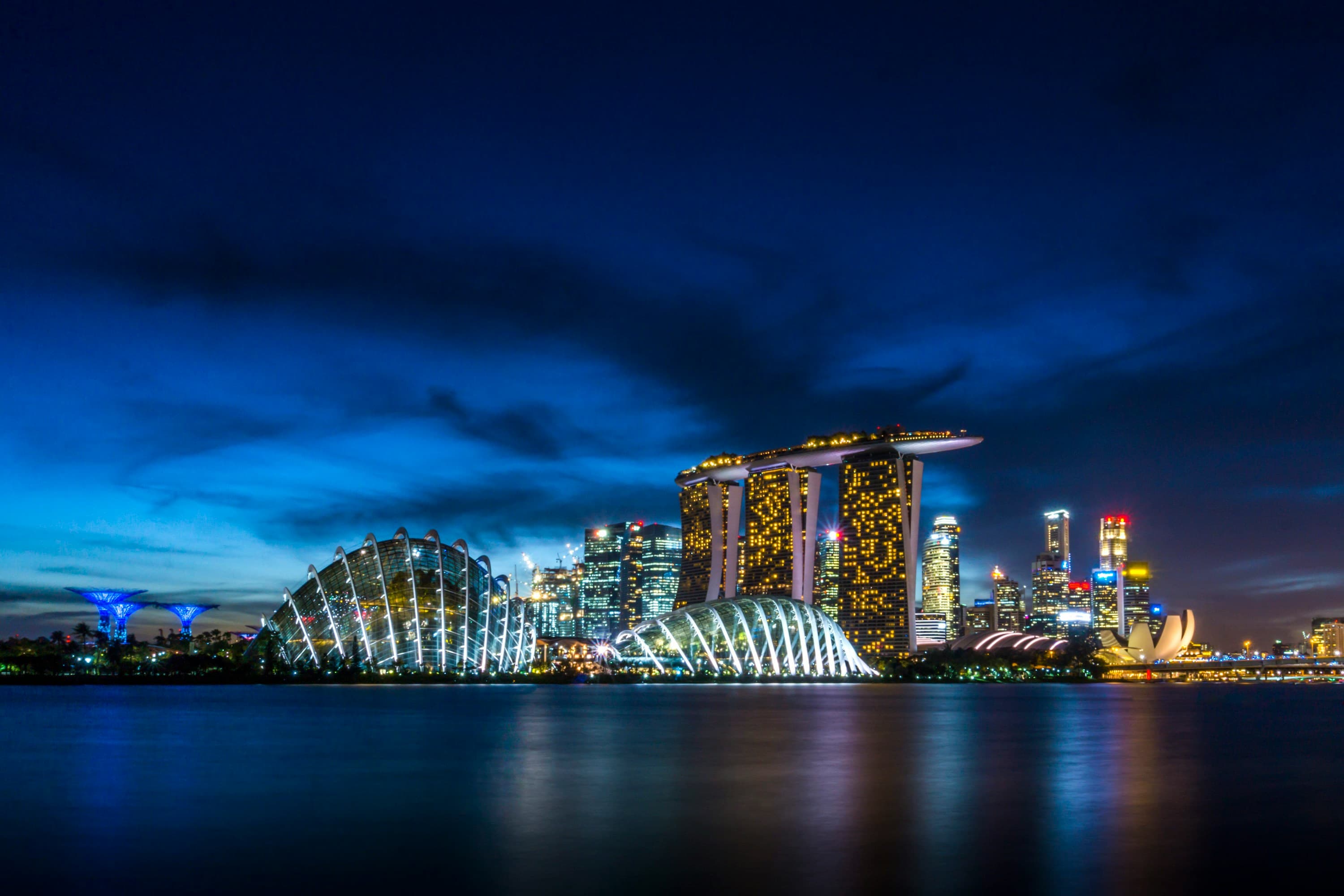
Singapore is compact, but monthly weather patterns still affect how you schedule outdoor blocks. A practical flow is Marina Bay and Civic District first, Sentosa and Southern Ridges in clearer windows, then neighborhood-heavy days like Chinatown, Little India, and Kampong Glam during mixed-weather periods with indoor flexibility.
- Morning: outdoor attractions before afternoon humidity peaks.
- Midday: museums, malls, or indoor experiences during rain-prone windows.
- Evening: waterfront walks, light shows, and dining districts.
Best order of neighborhoods and attractions by season
In wetter windows, begin with areas that offer easy indoor fallback options. In relatively drier periods, schedule Gardens by the Bay outdoor zones, zoo parks, and longer walking routes earlier in the trip. Keep one flexible day to shift activities around rain alerts or festival crowd spikes.
- Start: Marina Bay and nearby central districts for easy transit and flexibility.
- Middle: Sentosa, Mandai attractions, or long outdoor routes on clearer forecast days.
- End: shopping and food neighborhoods that work well in any weather.
Day-wise plan for weather-smart sightseeing
Day 1: arrival, Marina Bay orientation, and nearby indoor attractions.
Day 2: weather-dependent outdoor plan in the morning, indoor backup after lunch.
Day 3: neighborhood culture trail with covered MRT access.
Day 4+: reserve one swap day for rain-heavy forecasts or festival timing adjustments.
Transport between city zones and airport links
Use MRT as your primary mode for predictable travel time and shelter-connected transfers. Taxis or app rides are useful for late-night returns, heavy shopping days, or point-to-point moves during strong rain. From Changi, choose MRT for cost efficiency or pre-booked car when carrying large luggage during peak hours.
- Store EZ-Link/contactless options early for faster daily movement.
- Check first/last train timings before late evening plans.
- Keep one ride-hailing backup plan for stormy evenings.
Budget and stay split for peak, shoulder, and value months
Accommodation drives most trip costs in Singapore, so your month selection matters. Peak festival and holiday periods raise room rates. Shoulder windows often give better value with similar experience quality. Budget travelers should prioritize early booking near MRT-connected zones to reduce daily transfer costs.
- Peak windows: higher hotel rates, stronger demand for timed attractions.
- Shoulder windows: balanced pricing and good itinerary flexibility.
- Value windows: better room deals, but plan around rain and humidity.
Practical travel tips for rain windows, festivals, and booking timing
- Book high-demand attractions in advance during school holidays and festival weeks.
- Carry a compact umbrella and quick-dry layer every day.
- Use weather apps each morning to reorder outdoor blocks.
- Choose hotels within short walk of MRT entrances for rainy-day comfort.
- Keep one half-day unscheduled to absorb weather and crowd fluctuations.
If you want your travel dates, hotel zones, and daily plan aligned with Singapore’s weather patterns and festival calendar, you can message LeSo on WhatsApp for a quick itinerary check before booking. It helps you avoid peak pricing traps and makes your day-wise plan more adaptable on the ground.
Frequently Asked Questions
Which months are best for a first Singapore trip?
Many travelers prefer shoulder periods for better hotel value and manageable crowd levels.
Can I travel during wetter months?
Yes, with a flexible day structure, indoor backups, and weather-led reordering.
How many days are ideal for Singapore?
Four to six days is a practical range for first-time travelers covering major zones.
Should I pre-book attractions?
Yes, especially during weekends, holidays, and festival-heavy periods.