
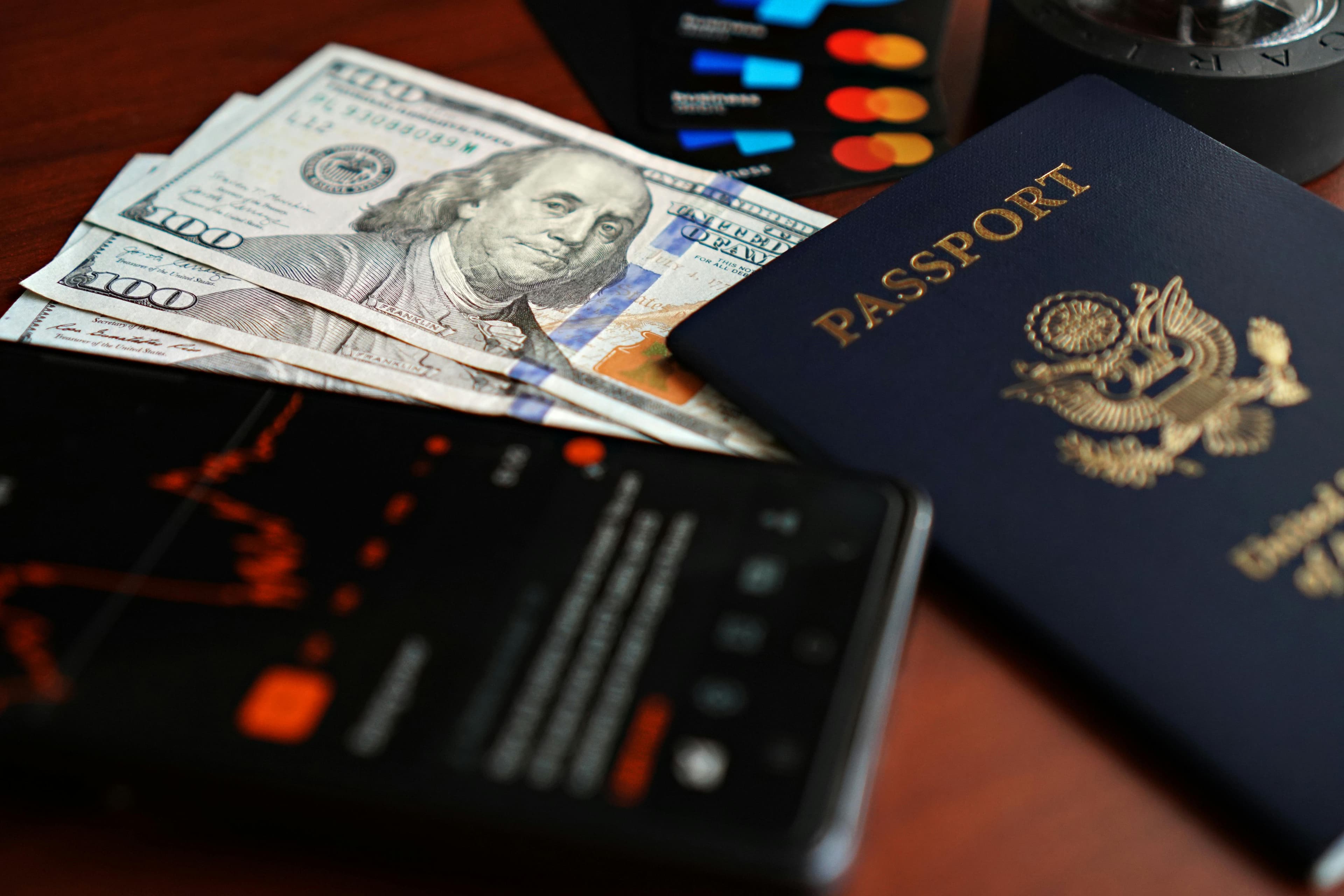
Getting a visa as a self-employed applicant often feels confusing. There is no fixed salary slip, no traditional employer, and documentation can vary widely. But approval is absolutely possible with the right approach.
This guide breaks down how self-employed individuals can build a strong visa profile and improve their chances of approval.
Why Self-Employed Applicants Face More Scrutiny
Visa officers look for stability, financial credibility, and strong ties to the home country. For salaried individuals, this is easier to verify.
For self-employed applicants, the challenge lies in proving:
- Consistent income
- Business legitimacy
- Intent to return
This does not make approval harder. It simply means documentation needs to be stronger and clearer.
Build a Strong Financial Profile
The first thing any visa officer checks is financial stability.
Focus on showing:
Consistent income flow
Bank statements should reflect regular transactions over at least 6 months. Avoid sudden large deposits.
Healthy account balance
Maintain a balance that comfortably covers your travel expenses.
Tax compliance
Income Tax Returns for the last 2 to 3 years are essential. These establish credibility more than anything else.
Show Proof of Business Ownership
Your business is your biggest asset. Make it visible and verifiable.
Include documents like:
- Business registration certificate
- GST registration if applicable
- Business license
- Company profile or website
If your business has an online presence, that adds an extra layer of trust.
Demonstrate Strong Ties to India
Visa approval depends heavily on your intent to return.
Self-employed applicants can prove this through:
Business continuity
Show that your business requires your presence. Ongoing projects, client contracts, or operations help here.
Assets and investments
Property ownership, long-term investments, or financial commitments strengthen your case.
Family ties
Dependents or close family in India also indicate strong roots.
Prepare a Clear Travel Plan
A vague itinerary raises doubts.
Instead, present:
- Travel dates
- Accommodation details
- Planned activities
- Return timeline
Clarity reduces suspicion and builds confidence.
Write a Simple Cover Letter
A short cover letter can make a big difference.
It should include:
- Nature of your business
- Duration of operation
- Purpose of travel
- Assurance of return
Keep it straightforward and factual.
Avoid Common Mistakes
Many rejections happen due to small but critical errors.
Watch out for:
Incomplete documentation
Missing papers create unnecessary doubt.
Inconsistent financial records
Mismatch between income and bank statements raises red flags.
Overcomplicating explanations
Keep everything simple and easy to verify.
Final Thoughts
Being self-employed is not a disadvantage. In many cases, it can even strengthen your profile when presented correctly.
What matters is clarity, consistency, and credibility.
If the documentation is strong and your intent is clear, approval becomes much more achievable.
Ready to Apply Without Confusion?
If the process feels overwhelming, it is better to get it right the first time.
Reach out to LeSo for expert guidance tailored specifically for self-employed applicants. From documentation to final submission, LeSo ensures every part of the application is built for approval.