Applying for an Indian eVisa is usually straightforward — but even small errors can result in rejection. A mismatched passport number, unclear photograph, incorrect ETA format, or incomplete travel history can delay your plans and force you to reapply.
If your Indian eVisa was rejected, don’t panic. Understanding the exact reason and correcting it properly is the key to getting approved the next time.
This updated 2026 guide explains the most common reasons for Indian eVisa rejection and how to fix them correctly.
Why Indian eVisa Applications Get Rejected
Indian eVisa applications are reviewed digitally and manually. Immigration authorities cross-check passport details, uploaded documents, photograph specifications, travel history, and background declarations. Even minor inconsistencies can trigger rejection — especially when data does not exactly match passport records.
Below are the most frequent causes.
1. Incorrect Passport Details
One of the most common reasons for rejection is incorrect passport information. Errors like:
- Wrong passport number
- Typing letter “O” instead of zero “0”
- Incorrect date of issue or expiry
- Name mismatch with passport
How to Fix It:
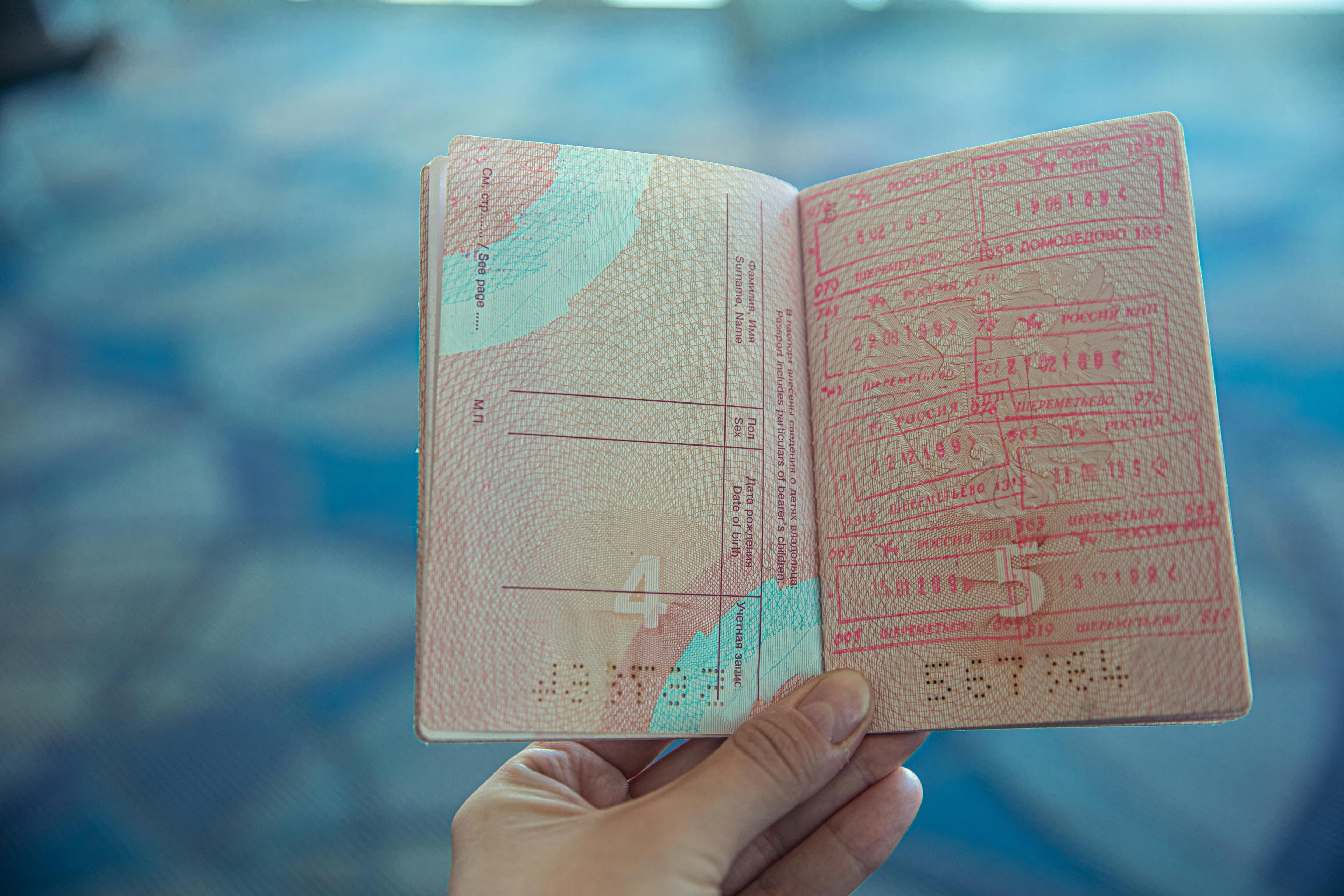
Reapply using the exact details as printed on the machine-readable passport page. Double-check spacing, middle names, and passport validity (minimum 6 months required from arrival date). Even a single incorrect character can lead to automated refusal during document verification.
2. Poor Quality Passport Scan
Blurry images, cropped MRZ lines, glare, or partial passport uploads often lead to rejection.
How to Fix It:
Upload a clear, full-color scan of the passport bio page. Ensure all four corners are visible, there are no shadows or reflections, and the file meets required size and format standards. If you are unsure whether your document meets compliance guidelines, reviewing the specifications before submission significantly reduces risk.
3. Incorrect Photograph Specifications
Photo-related rejections happen more often than expected. Common mistakes include:
- Improper white background
- Face partially covered
- Incorrect dimensions
- Shadows or filters
How to Fix It:
Follow official Indian eVisa photo guidelines strictly. The image must be recent, front-facing, and professionally compliant. Many applicants underestimate how strict digital verification systems are when screening photographs.
4. Incorrect ETA Format or Missing QR/Barcode
Many travellers face airport issues because their approval letter is incomplete or improperly downloaded. An incorrect ETA format for India may not show the applicant photo, QR code, barcode, or full approval details — and airlines may refuse boarding if these elements are missing.
How to Fix It:
Always retrieve your correct Indian eVisa copy directly from the official portal and verify that the document contains your photo, QR code, barcode, and full application details. If the file appears cropped, incomplete, or improperly formatted, it should be corrected before travel to avoid last-minute boarding complications.
5. Inconsistent Background Declarations
Failure to declare previous visa refusals, criminal records, or past overstays can result in denial. Immigration systems cross-reference historical records.
How to Fix It:
Answer every background question truthfully and consistently. If a previous refusal exists, it should be declared accurately rather than omitted.
6. Wrong Visa Category Selection
Applying under the wrong category — Tourist instead of Business, or Medical instead of Conference — can trigger rejection.
How to Fix It:
Select the category that exactly matches your purpose of travel. Supporting documents must align with the selected visa type.
What To Do After an Indian eVisa Rejection
If your application has been refused:
- Carefully review the rejection reason.
- Identify whether it was a document issue, eligibility issue, or data mismatch.
- Correct the specific error fully before reapplying.
- Avoid submitting duplicate applications without fixing the original mistake.
Many applicants rush into reapplying and repeat the same documentation or formatting mistakes. Before submitting again, it’s important to verify passport details, confirm the correct ETA format for India, and ensure your approval copy is fully compliant.
LeSo reviews passport scans, photo specifications, and ETA copies to reduce repeat rejections. If you want a second check before reapplying, check out our Website or reach out to us on WhatsApp to clarify your application concerns.
How to Avoid Indian eVisa Rejection in 2026
- Enter passport details exactly as printed
- Upload compliant passport and photo files
- Download and verify your complete ETA approval copy
- Declare background history accurately
- Select the correct visa category
- Apply at least 4–7 days before travel
Accuracy is more important than speed.
Frequently Asked Questions
1. Can I reapply after my Indian eVisa is rejected?
Yes. In most cases, you can submit a new application after correcting the issue mentioned in the rejection notice.
2. Will a rejected Indian eVisa affect future approvals?
Generally no, unless the rejection involved misrepresentation or eligibility concerns.
3. How long should I wait before reapplying?
You can usually reapply immediately after fixing the identified error.
4. Why do airlines check the ETA format?
Airlines must verify that your approval letter contains your photo, QR code, and barcode before boarding.
5. How can I reduce the risk of rejection?
Double-check passport details, image specifications, ETA formatting, and visa category before submitting your application.