South African passport holders planning to visit India can apply online through the official electronic travel authorization system. The Indian eVisa for South African citizens allows travelers to enter India for tourism, business, or medical purposes without visiting an embassy or consulate.
If you are travelling from South Africa, here’s everything you need to know before applying.
Do South African Citizens Need a Visa for India?
Yes. South African passport holders must obtain travel authorization before arrival. The electronic visa (eVisa) is the fastest and most convenient option for short-term stays.
Once approved, you receive an electronic travel authorization (ETA) by email, which you must carry while travelling.
Types of Indian eVisa Available
South African citizens can apply for:
- Tourist eVisa – For leisure, sightseeing, visiting friends and family
- Business eVisa – For meetings, trade, and business activities
- Medical eVisa – For treatment at recognized Indian hospitals
Choosing the correct category is important. Many applications are delayed due to selecting the wrong visa type or uploading incorrect documents.
Indian eVisa Requirements for South African Citizens
To apply successfully, you’ll need:
- A valid South African passport (minimum 6 months validity)
- A recent passport-size photograph (as per digital specifications)
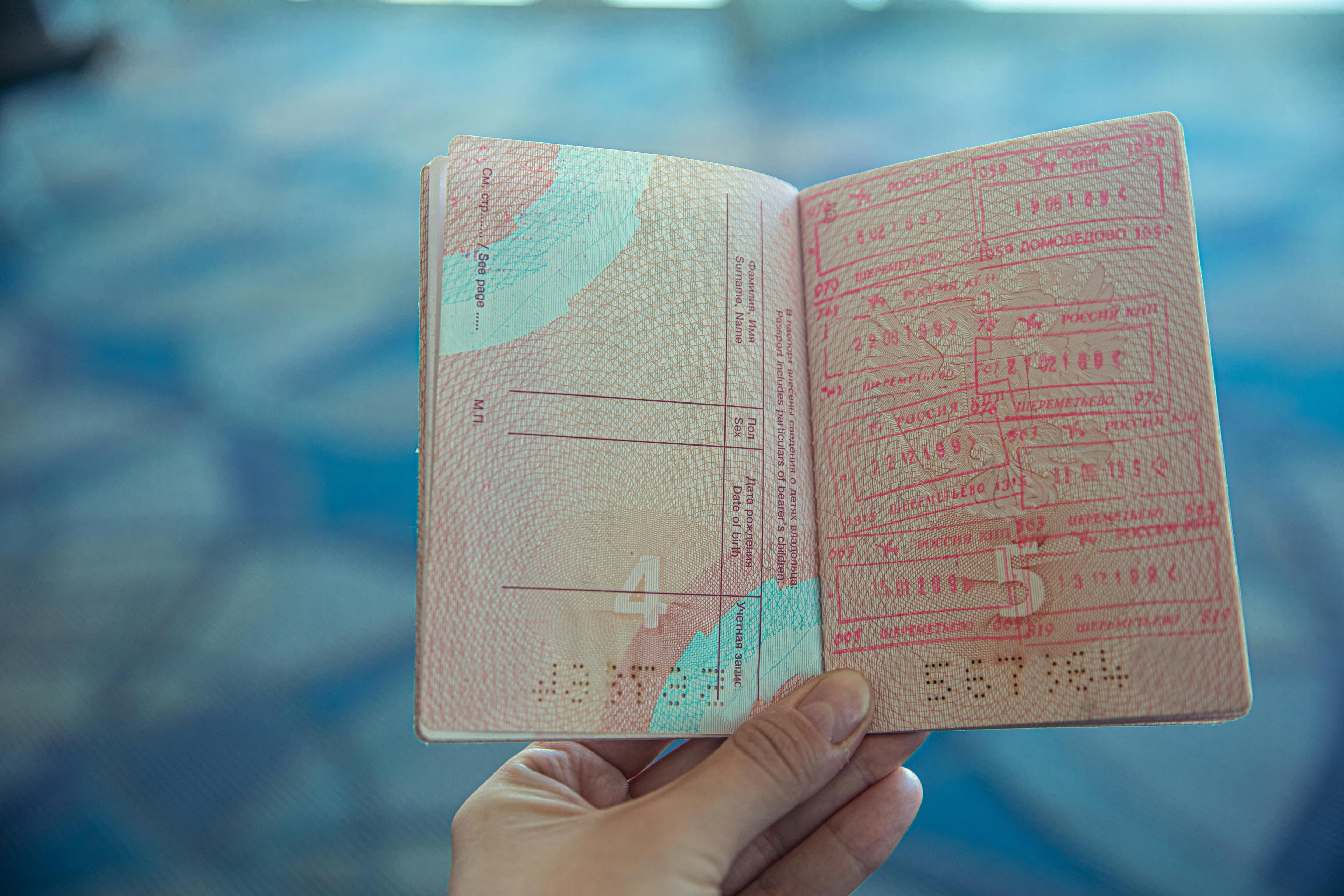
- A scanned copy of your passport bio page
- A valid email address
- A debit/credit card for payment
It’s also essential to ensure your documents match the correct ETA format for India, as formatting errors are one of the most common reasons for rejection.
Processing Time
Processing typically takes 3–5 working days. However, delays can occur due to:
- Incorrect passport details
- Blurry document uploads
- Mismatched travel information
- Improper photograph format
If you’ve already applied and need to retrieve your correct Indian eVisa copy, make sure the details match exactly with your passport.
Common Mistakes to Avoid
South African applicants frequently face issues because of:
- Spelling errors in passport number
- Uploading cropped passport scans
- Incorrect visa category selection
- Not checking the final ETA document carefully
Many travelers experience delays or rejections due to small but avoidable errors in their applications. Issues such as incorrect passport details, mismatched travel information, or improper document formatting can disrupt travel plans at the last minute. At LeSo, we assist travelers in reviewing applications, checking document compliance, and ensuring submissions meet official requirements before filing. If you prefer a smoother process, you can visit LeSo’s website or contact us via WhatsApp or email at info@leso.co.in
Entry Points in India
South African citizens entering India with an eVisa must use designated international airports or seaports approved for electronic travel authorization entry.
Always carry:
- A printed copy of your ETA
- Your return/onward ticket
- Proof of accommodation
Why Accuracy Matters
The Indian eVisa system is digital and automated. Even minor errors can lead to delays or refusal. If you need structured India eVisa support or want a second check before submission, reviewing your documentation carefully can save time and avoid last-minute stress.
Frequently Asked Questions (FAQs)
1. How long can South African citizens stay in India on an eVisa?
The permitted stay depends on the visa category. Tourist eVisas typically allow short-term stays per visit.
2. Can I extend my Indian eVisa?
eVisas are generally non-extendable and non-convertible.
3. Do children need a separate eVisa?
Yes. Every traveler, including minors, must have an individual approved application.
4. What if my application is rejected?
You may need to reapply with corrected information. Ensuring compliance with document standards significantly reduces this risk.