Traveling to India for the first time is exciting, but understanding the entry requirements is crucial to avoid delays or complications. The Indian eVisa system allows travelers to apply online for tourism, business, or medical visits, eliminating the need to visit an embassy or consulate. Familiarity with the process, common pitfalls, and document requirements can make your first trip smoother and more enjoyable.
What is an Indian eVisa?
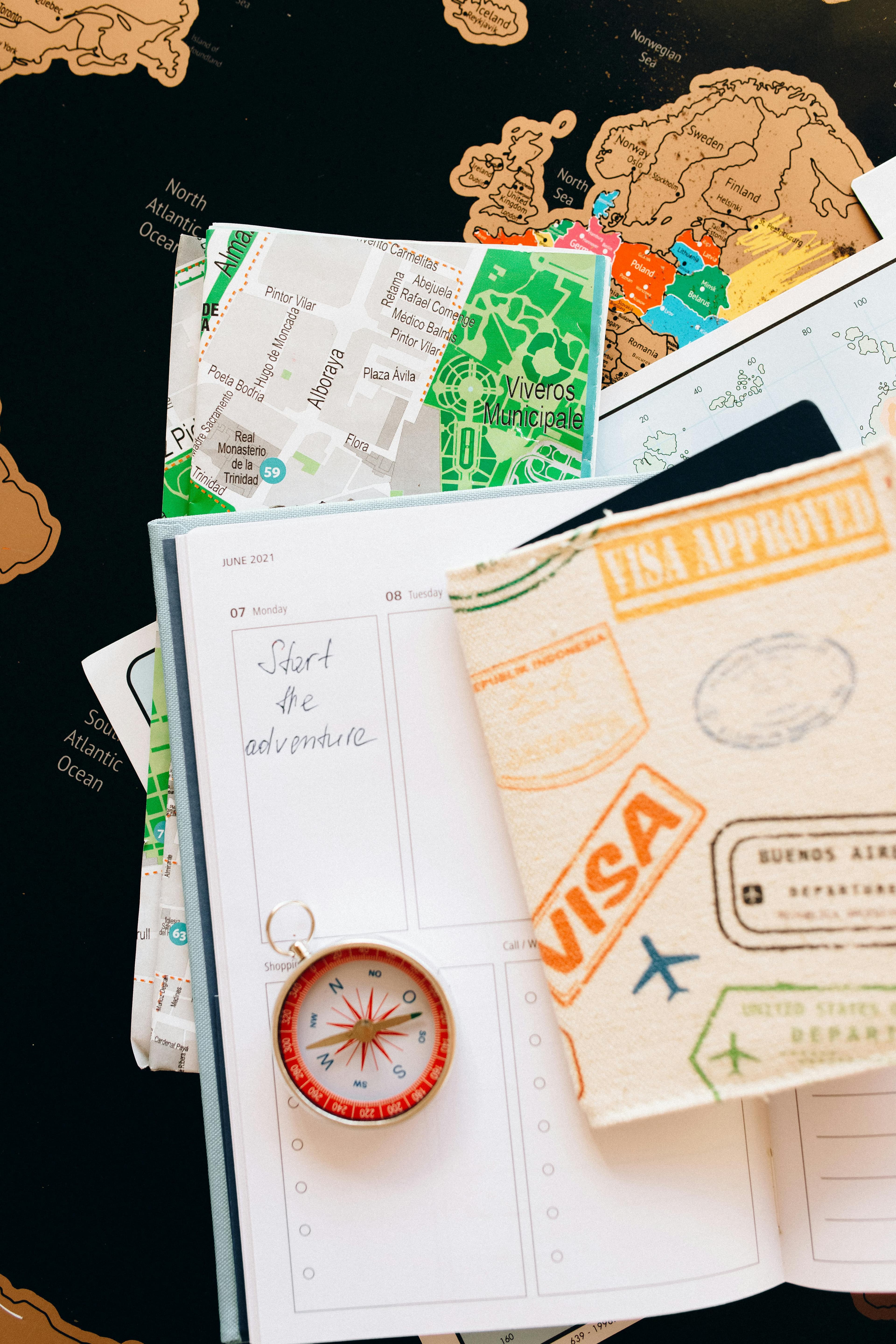
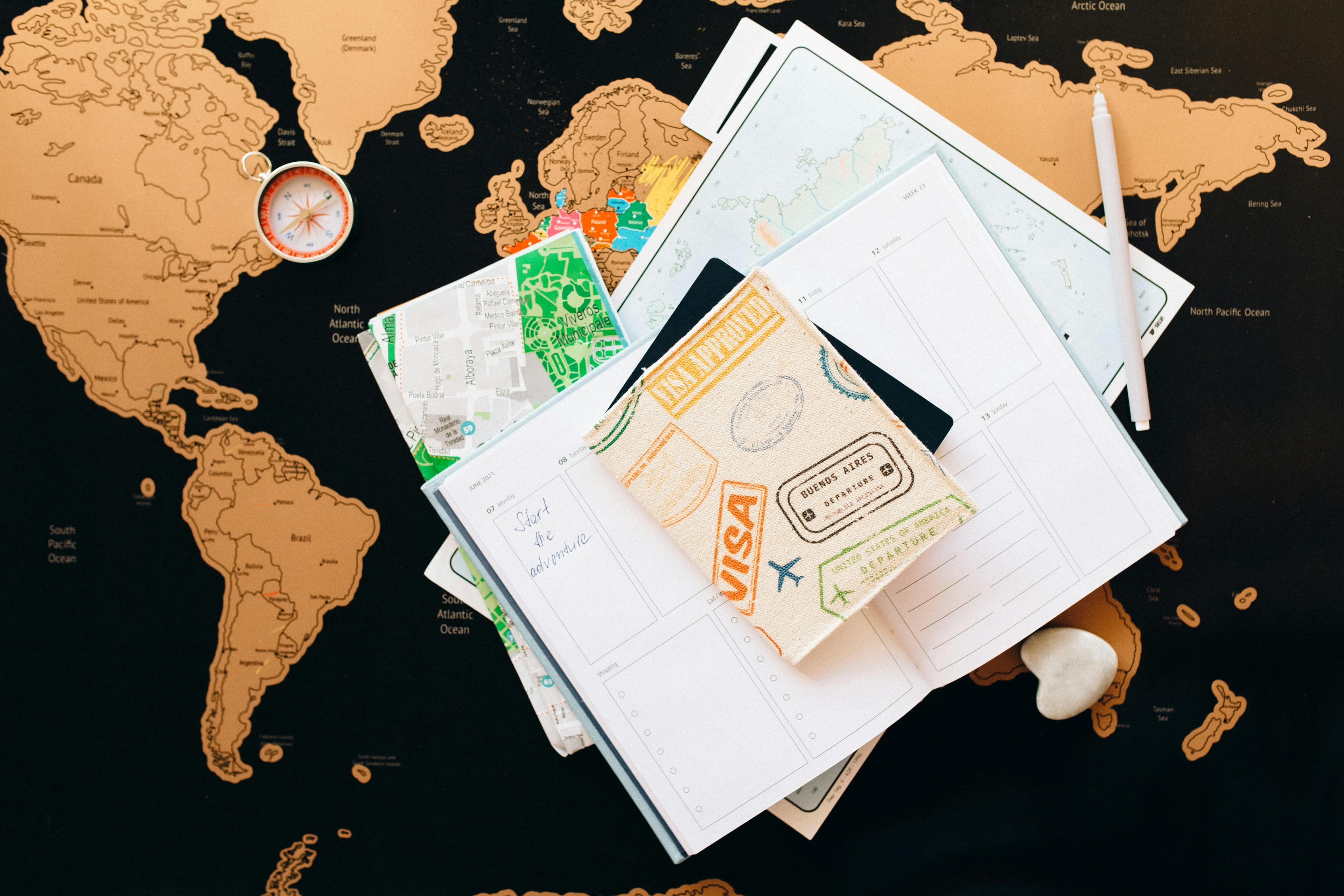
The Indian eVisa is an electronic travel authorization that allows eligible travelers to enter India without a traditional visa stamp. It is available in three main categories: 30-day, 1-year, and 5-year validity. Each type has rules on the number of permitted entries and the maximum stay per visit.
Eligibility Criteria for First-Time Visitors
To qualify for an Indian eVisa, first-time visitors must:
- Hold a passport valid for at least six months from the date of arrival.
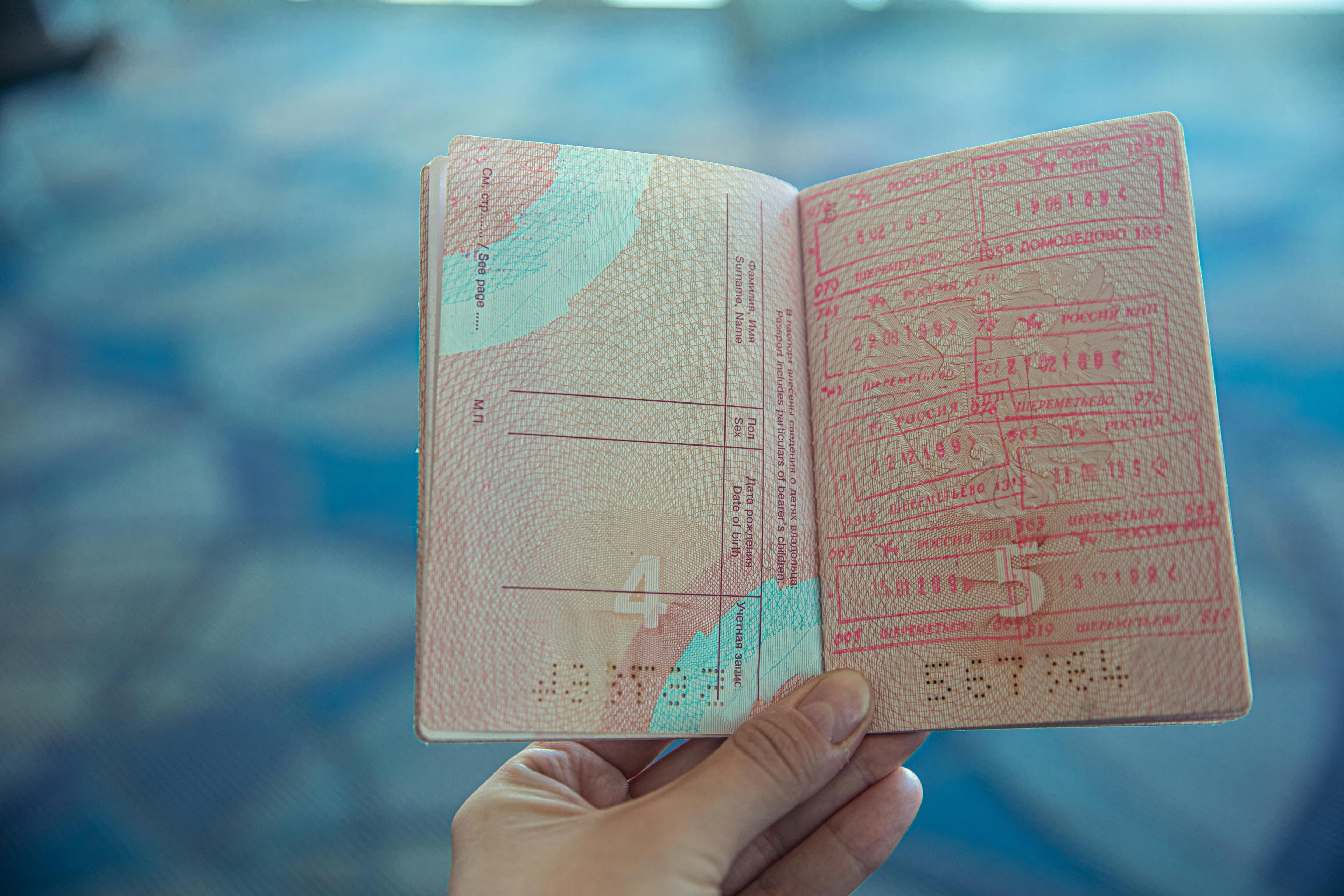
- Have at least two blank pages in their passport.
- Provide a recent passport-sized photograph and a scanned copy of their passport.
- Follow specific file format and size requirements for uploads.
Step-by-Step Application Process
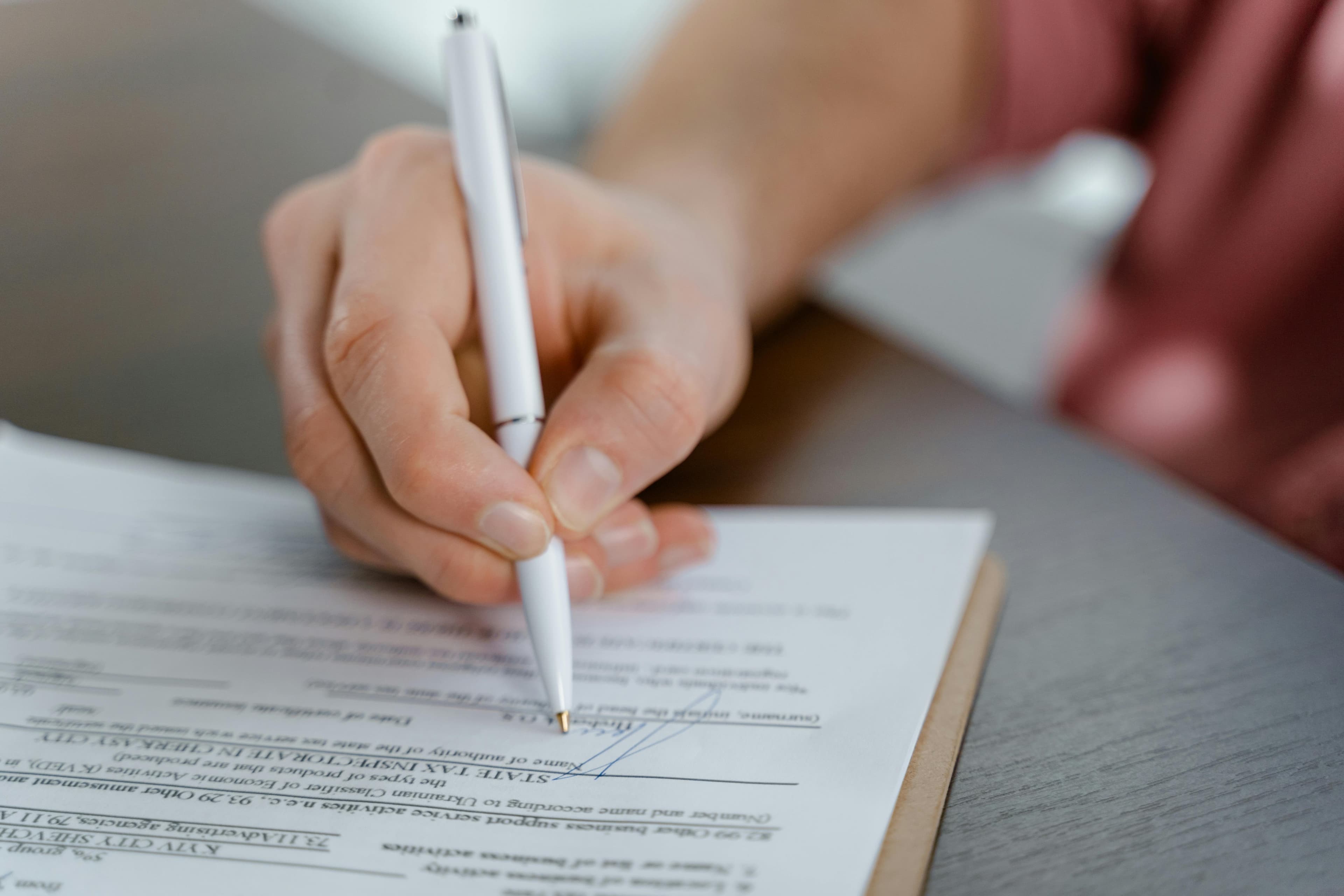
The eVisa application is fully online, and accuracy is critical. First-time applicants should carefully review personal details, passport numbers, and travel dates before submitting the form. Mistakes are among the most common reasons for delays or rejections. It’s also important to note that eVisa holders can enter India only through designated international airports and selected seaports.
For travelers who want extra assurance, LeSo can make the process easier. We help verify documents, check that all details are correct, and provide support for any questions via our Website or WhatsApp. This guidance ensures first-time applicants complete their eVisa confidently and avoid common mistakes, making the journey into India smoother and less stressful.
Common Mistakes First-Time Travelers Make
- Uploading passport or photo files in unsupported formats.
- Entering incorrect personal or passport details.
- Not verifying travel dates against visa validity.
- Overlooking approved entry points for eVisa travelers.
- Confusing the visa validity or the number of allowed entries.
Being aware of these pitfalls beforehand can save time, reduce stress, and prevent last-minute surprises during travel.
Travel Tips for Smooth Entry
- Carry both printed and digital copies of your eVisa along with your passport.
- Check that all eVisa details match your passport exactly.
- Verify the entry airports or seaports approved for eVisa holders.
- Keep a record of your approval notice and travel itinerary for reference.
Proper preparation ensures a seamless experience when entering India for the first time.
Frequently Asked Questions (FAQ)
1. How long does it take to process an Indian eVisa?
Most Indian eVisa applications are approved within 2–5 business days. Processing times may vary depending on the visa type and verification requirements, so first-time travelers should apply well before their planned travel dates to avoid delays.
2. Can I enter India through any airport with an eVisa?
No. Indian eVisa holders can enter only through designated international airports and approved seaports. Attempting to arrive at unapproved entry points can lead to denied entry, so always check your airport or seaport before booking flights.
3. What should I do if my Indian eVisa QR code isn’t visible or correct?
Ensure you have a verified copy of your eVisa and that it follows the correct format. Any errors or missing details should be corrected before travel to prevent issues at immigration checkpoints.
4. Can I use the same Indian eVisa for multiple visits to India?
It depends on the eVisa type. The 1-year and 5-year Indian eVisas allow multiple entries during the validity period, while the 30-day eVisa permits only two entries. Confirm your visa rules before planning repeated trips.
5. What documents are required for a first-time Indian eVisa application?
You will need a valid passport with at least six months’ validity, a recent passport-sized photograph, and a scanned copy of your passport. Submitting clear and correctly formatted documents is crucial to avoid application delays or rejection.