The FIFA World Cup 2026 was expected to be one of the most sought-after sporting events in history.
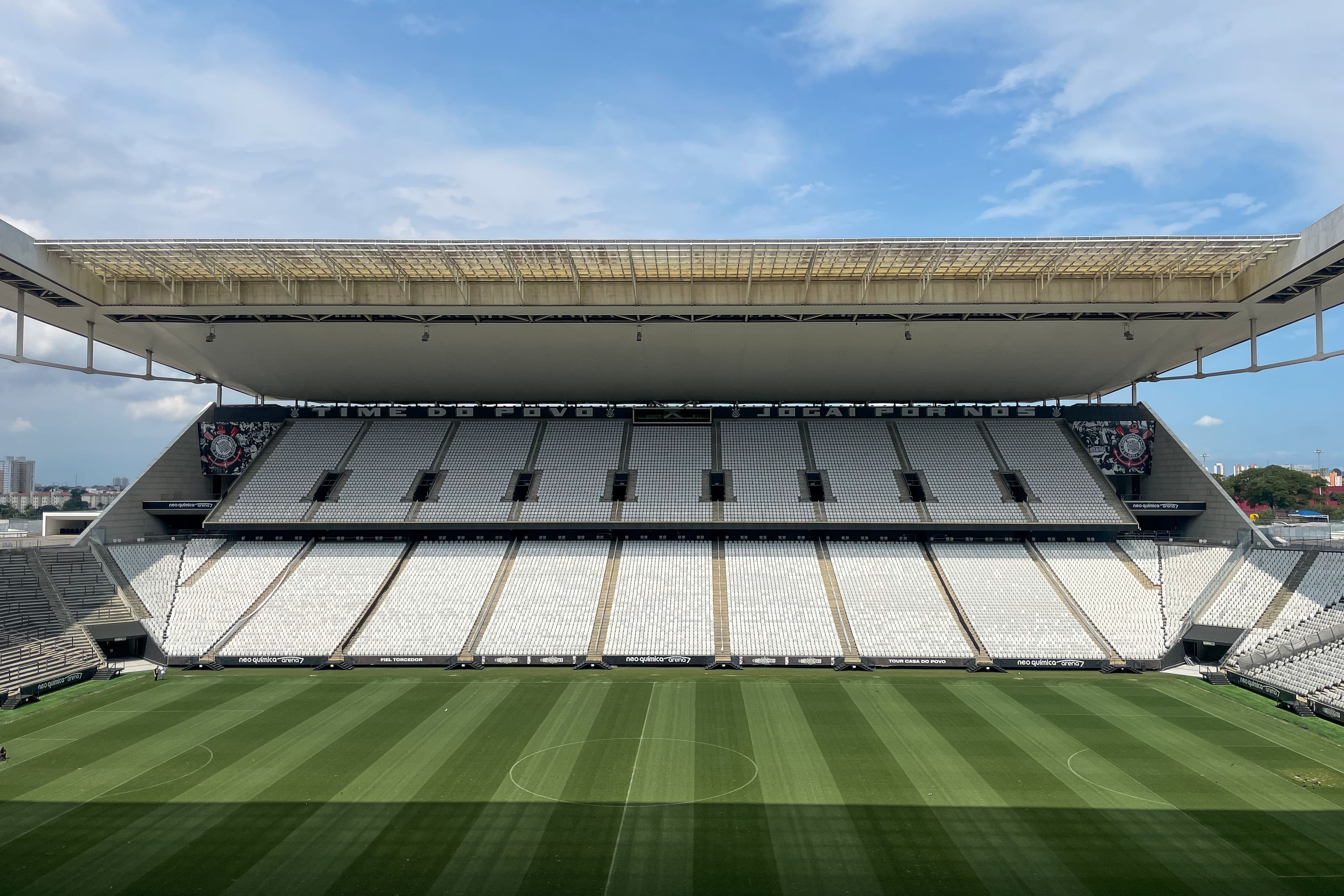
Hosted across the United States, Canada, and Mexico, the tournament will feature an expanded format, more teams, and more matches than ever before. Yet, just days before kickoff, FIFA is facing an unexpected challenge: thousands of tickets remain unsold.
Reports suggest that nearly 180,000 tickets are still available across various matches, including some group-stage fixtures and even games involving the United States Men's National Team (USMNT). The situation has sparked debate about whether FIFA's aggressive pricing strategy is beginning to alienate ordinary fans.
But ticket prices are only part of the story. For international travelers, particularly those from India, visa availability has become another major factor shaping World Cup travel plans.
Why Are FIFA World Cup 2026 Tickets Still Unsold?
Historically, FIFA World Cups have enjoyed enormous demand. Fans often expect tickets to sell out almost instantly, especially when the tournament is hosted in major football markets.
This year, however, FIFA's dynamic pricing model has come under heavy scrutiny.
Unlike traditional fixed-price ticketing systems, dynamic pricing adjusts ticket costs based on demand. FIFA argues that this helps prevent scalpers from capturing profits on the secondary market and ensures that ticket revenue benefits the tournament itself.
Critics argue that the strategy has pushed prices beyond what many fans are willing to pay.
Some tickets for group-stage matches have reportedly been listed at hundreds of dollars, while premium seats for marquee matches and knockout rounds can cost several thousand dollars. For many supporters, especially those traveling internationally, the total cost of attending a match has become difficult to justify.
The Real Cost of Attending the FIFA World Cup 2026
Buying a ticket is only the beginning.
For international fans, attending the World Cup often includes:
- International airfare
- Hotel accommodation
- Domestic travel between host cities
- Match tickets
- Travel insurance
- Visa fees and documentation costs
- Food and local transportation
A single World Cup trip can easily cost several thousand dollars per person.
For Indian travelers, the costs become even more significant when converted into rupees. A premium match ticket alone may represent a substantial portion of an average annual travel budget.
As a result, many fans are becoming increasingly selective about which matches they attend and how much they are willing to spend.
Dynamic Pricing: A Growing Problem in Sports?
The controversy surrounding FIFA's ticket pricing reflects a broader trend across major sporting events.
Organizations increasingly rely on dynamic pricing systems to maximize revenue. While the approach can increase profits during periods of high demand, it also carries risks.
When prices rise too aggressively, fans may delay purchases, wait for resale discounts, or skip events altogether.
The availability of thousands of World Cup tickets shortly before the tournament suggests that demand may not be as limitless as organizers anticipated.
The World Cup remains football's biggest event, but even global sporting spectacles are not immune to economic realities.
The India Angle: FIFA Priority Visa Appointments and B1/B2 Availability
While ticket pricing has attracted most of the headlines, another issue has emerged among Indian travelers planning to attend the World Cup.
To facilitate travel for international fans, FIFA and the U.S. Department of State introduced the FIFA Priority Appointment Scheduling System (FIFA PASS). The program allows eligible World Cup ticket holders to access prioritized U.S. visa interview appointments.
The goal is straightforward: ensure that fans who have purchased tickets can obtain visas in time for the tournament.
However, the announcement has generated discussion among regular B1/B2 applicants in India.
Many travelers already face significant wait times when applying for U.S. tourist visas. As a result, some applicants have questioned whether dedicated FIFA-related appointments could reduce the number of interview slots available to ordinary tourists, family visitors, and business travelers.
There is currently no public evidence showing exactly how many appointment slots have been allocated to FIFA PASS applicants or whether the program has materially affected regular appointment availability.
Nevertheless, the concern highlights a broader issue: visa access is becoming an increasingly important part of the World Cup travel experience.
For many fans, securing a visa may be nearly as important as securing a ticket.
What Happens Next?
FIFA still has time to fill stadiums before the tournament progresses into the knockout stages.
Demand for major matches remains strong, and the World Cup is likely to attract millions of spectators throughout the competition.
However, the early ticket sales story offers an important lesson.
Fans today are evaluating the complete cost of attendance—not just the ticket price. Airfare, accommodation, visa requirements, and overall travel expenses all play a role in purchasing decisions.
As FIFA continues to experiment with dynamic pricing, the success or failure of the 2026 World Cup ticket strategy could influence how major sporting events price tickets for years to come.
For international supporters, particularly those traveling from India, the challenge is clear: getting to the World Cup may require navigating both rising costs and increasingly competitive visa processes.
Whether FIFA's strategy ultimately succeeds will depend on one simple question: how much are fans willing to pay for football's biggest stage?