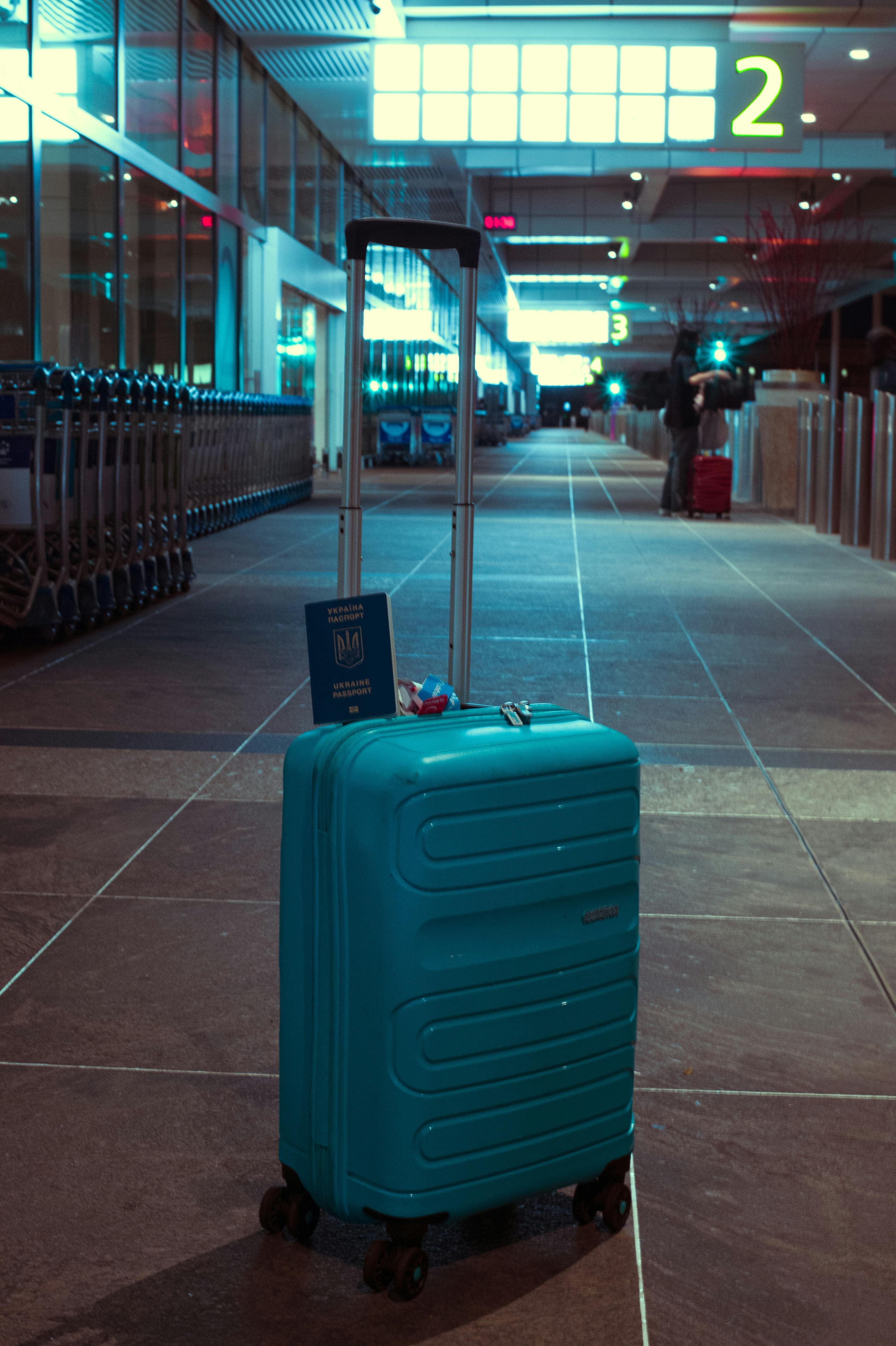

Staying connected in Mexico is not just about picking a data plan, it is about aligning your connectivity with your route and travel style. This guide helps you choose the right SIM or eSIM, plan usage, and avoid network gaps across cities and remote regions.
Route overview and trip flow for staying connected in Mexico
Connectivity planning works best when done alongside itinerary planning. Major arrival hubs usually offer easier activation options, while regional routes may need advance top-ups and offline backups.
- Gateway arrival cities: easiest for initial SIM/eSIM setup.
- Intercity routes: check coverage consistency before long travel days.
- Coastal or remote stretches: keep offline maps and backup data options.
Day-wise plan for airport SIM setup and city usage
- Day 1: activate line at arrival, verify data speed, and test essential apps.
- Day 2-3: monitor actual usage for maps, rides, bookings, and messaging.
- Day 4 onward: top up proactively before intercity movement days.
This day-wise approach reduces emergency recharge stress during transfers.
Best order of buying SIM or eSIM across major cities
For most travelers, activate at the first major city to avoid downtime. If your device supports eSIM, pre-trip installation can simplify arrival-day connectivity.
- Step 1: confirm device compatibility and unlock status.
- Step 2: choose primary data option (SIM or eSIM) based on trip length.
- Step 3: keep one backup option for network or recharge issues.
Transport between cities and network coverage considerations
Coverage quality can vary across highways, mountain routes, and smaller towns. Plan data-heavy tasks while in strong network zones.
- Download offline maps before departure from major cities.
- Save ticket and hotel confirmations offline.
- Expect temporary drops during long bus or road segments.
Budget split for data plans, top-ups, and stay duration
Budgeting by trip duration and movement style is more accurate than one flat estimate.
- Short city-focused trips: lower data packs with selective top-ups.
- Multi-city road trips: higher data allowance and backup recharge budget.
- Heavy hotspot usage: plan an extra top-up buffer.
Track usage in-app daily so you can recharge before critical transfer days.
Practical travel tips for activation, recharge, and hotspot use
- Carry passport/ID details needed for activation where required.
- Set data alerts to avoid sudden speed drops or cutoffs.
- Use low-data settings for background apps.
- Keep hotspot sharing limited to preserve main-line balance.
- Recharge from reliable channels and store payment receipts.
If your trip involves multiple cities, long bus routes, or remote stops, small planning mistakes can lead to frustrating connection gaps right when you need maps or bookings. Before finalizing your setup, you can quickly map your route and data usage with LeSo on WhatsApp to make sure your plan actually holds up across your entire itinerary.
Frequently Asked Questions
1. Is eSIM better than physical SIM for Mexico travel?
It depends on device compatibility and trip style. eSIM is convenient for quick setup, while physical SIM can be practical for in-country recharge patterns.
2. How much data should I plan for a 7 to 10 day trip?
Plan based on maps, video calls, hotspot use, and intercity travel days, not just total days.
3. Should I recharge before moving to another city?
Yes, topping up before transfer days helps avoid low-connectivity recharge problems.
4. Can coverage vary a lot between urban and remote areas?
Yes, city coverage is usually stronger; remote routes can have temporary weak zones.