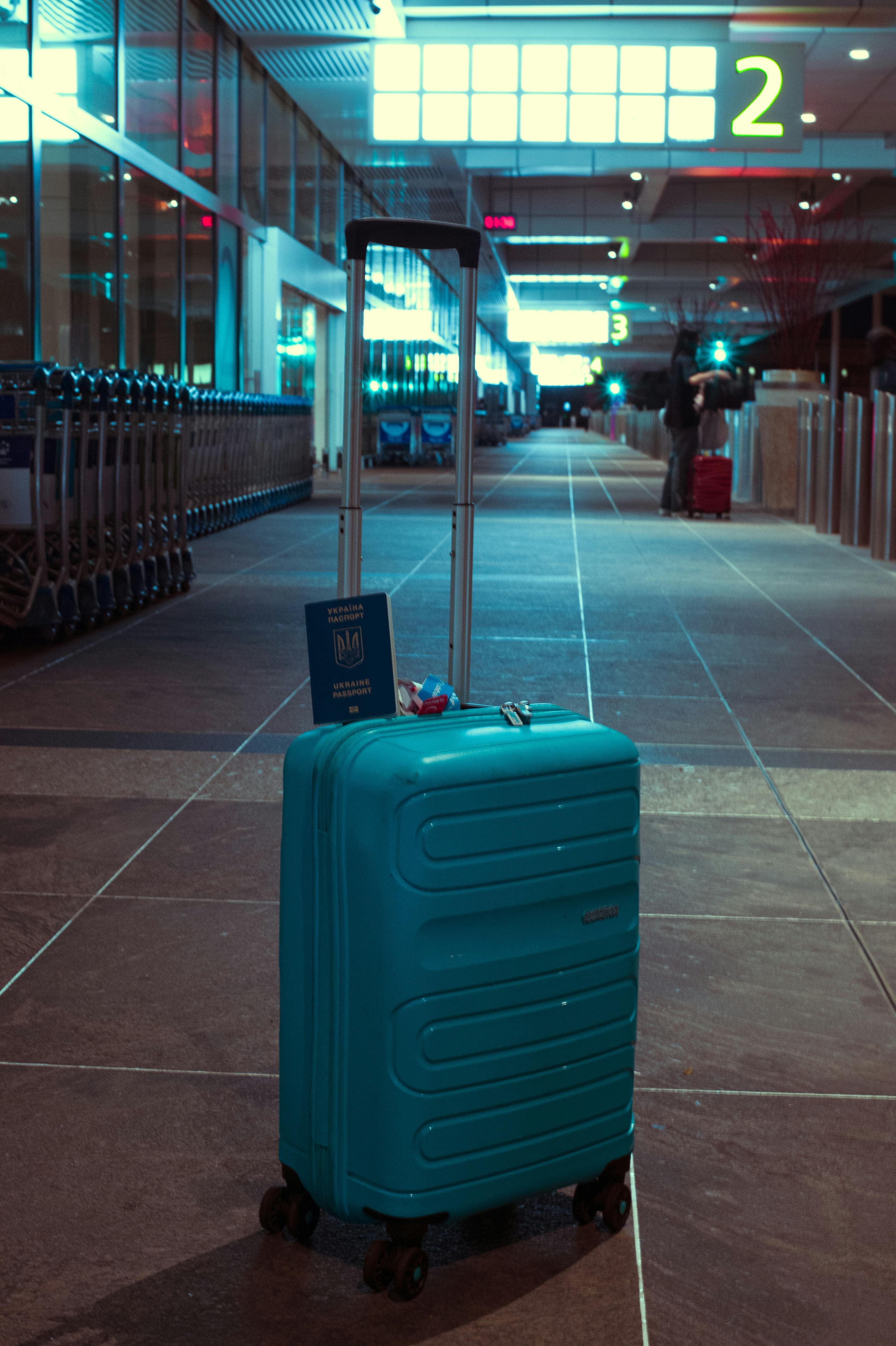

Staying connected in Malaysia is easiest when your data plan matches your route and travel pace. This guide helps you plan SIM or eSIM setup, manage usage, and avoid network gaps across cities and remote areas.
Route overview and trip flow for staying connected in Malaysia
Connectivity planning works best when mapped with your route. Major gateways usually offer the easiest activation options, while regional or island segments may need extra top-up and offline backup planning.
- Start setup in your arrival hub for immediate app access.
- Plan higher data use on transfer-heavy days.
- Keep offline maps ready for weaker-coverage stretches.
Best order of cities and network setup across your route
Set up primary data at the first major city, then optimize usage as you move. A simple city sequence with fewer back-and-forth transfers improves connectivity reliability and reduces recharge stress.
- Activate primary SIM/eSIM on arrival day.
- Add backup option before moving to remote or coastal areas.
- Review coverage needs before each intercity leg.
Day-wise plan for airport SIM purchase and top-up timing
- Day 1: activate, test maps/payments/apps, and verify hotspot function.
- Day 2-3: track daily usage to estimate top-up cycle.
- Transfer days: recharge before departure, not after arrival.
- Final days: keep enough balance for airport and departure logistics.
Transport between cities and data coverage considerations
Coverage can vary across highways, highlands, and island connections. Plan critical tasks like check-ins and ticket confirmations while in stronger network zones.
- Download key documents and maps before long rides.
- Expect occasional drops in remote segments.
- Keep confirmation screenshots for transport and stays.
Budget and stay split for SIM, eSIM, and recharge costs
Your communication budget depends on travel style and trip duration. Split by base plan, expected top-ups, and backup connectivity instead of using one flat estimate.
- Short trip: smaller main pack with one contingency top-up.
- Multi-city trip: larger base pack plus planned mid-trip recharge.
- Heavy hotspot use: add dedicated backup data allocation.
Practical travel tips for activation, hotspot use, and backup options
- Confirm device unlock and compatibility before departure.
- Set daily data alerts and app-level usage limits.
- Use low-data mode during long travel days.
- Carry one secondary connectivity option for emergencies.
- Store top-up receipts and recharge references.
If your itinerary includes multiple cities, islands, or highland routes, it helps to double check whether your data plan will hold up across all segments. You can quickly map your route and expected usage with LeSo on WhatsApp to avoid running into connectivity gaps during key travel moments.
Frequently Asked Questions
1. Is eSIM better than physical SIM for Malaysia travel?
It depends on device compatibility and trip style. eSIM is convenient for quick activation, while physical SIM can be practical for in-person top-up flexibility.
2. How much data should I plan for a 7 to 10 day trip?
Plan based on maps, social uploads, hotspot sharing, and transfer-day usage spikes.
3. Should I recharge before intercity travel?
Yes, topping up before travel days reduces risk of low-balance issues on the move.
4. Can coverage vary significantly by region?
Yes, major cities are usually stronger while remote routes may have temporary weak zones.