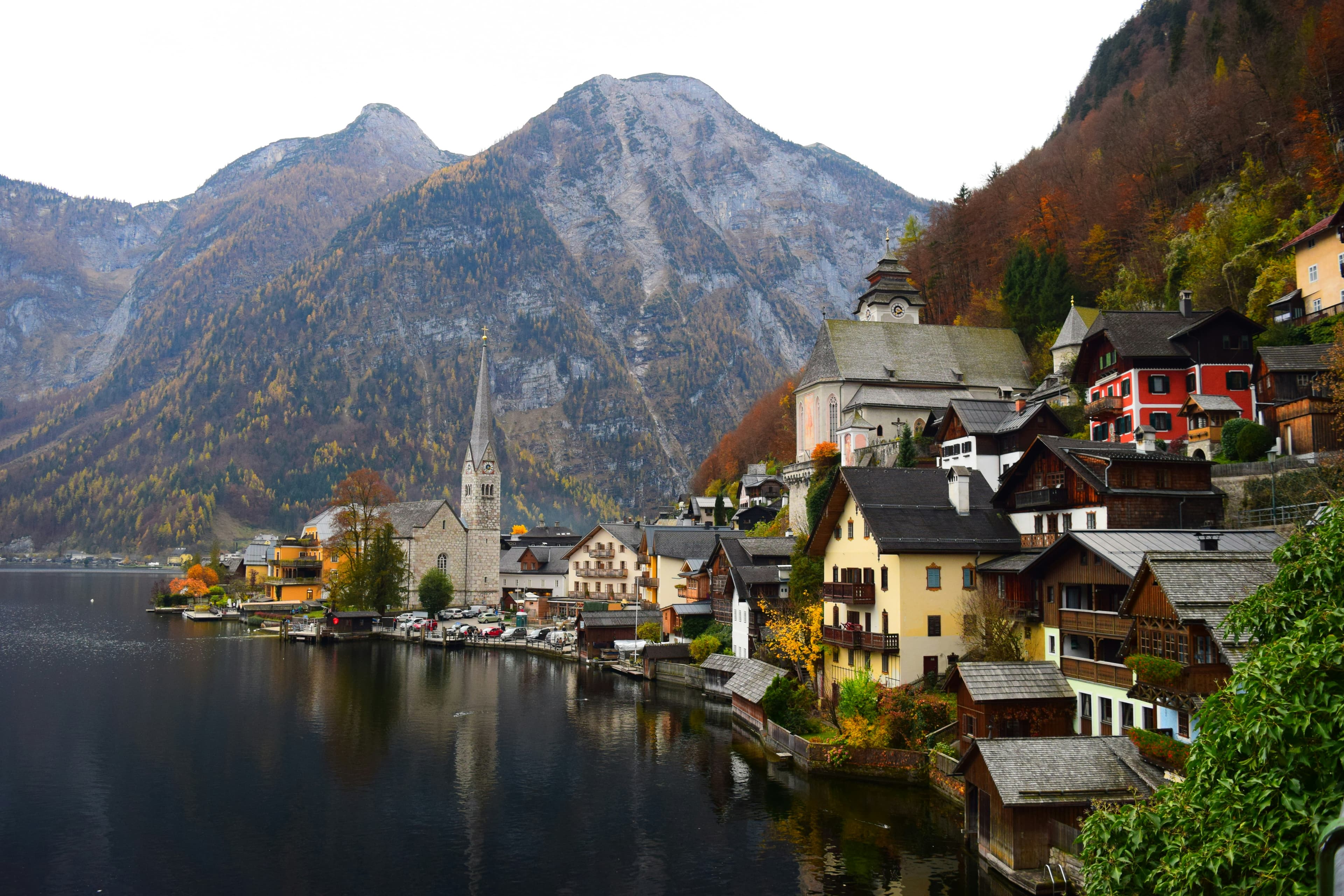
Planning a trip to Austria becomes easier when you understand how each month influences weather, festivals, and travel flow, helping you choose the right time and avoid price spikes. With the right month-wise insight, you can also move efficiently between cities while balancing comfort, events, and overall trip value.
Route overview and ideal trip flow across Austria by season
A practical Austria route often starts in Vienna, continues to Salzburg, then moves to Innsbruck or nearby alpine regions. In warmer months, add lake districts and scenic rail segments. In colder months, keep city-and-market clusters tighter to reduce weather-related transfer fatigue.
- Spring and autumn: balanced city plus nature flow.
- Summer: add alpine and lake extensions.
- Winter: prioritize festive city bases and short transfer corridors.
Month-by-month weather snapshot and daylight planning
Weather and daylight shift significantly through the year, so daily pacing should adjust by month.
- Jan-Feb: coldest period, shorter daylight, winter event focus.
- Mar-Apr: transitional weather, lighter crowds in many areas.
- May-Jun: pleasant conditions for city walks and regional add-ons.
- Jul-Aug: warm peak months with higher demand and pricing.
- Sep-Oct: shoulder-season comfort with better movement and value.
- Nov-Dec: festive travel period with holiday demand spikes.
Festival calendar by month and best city pairings
Match event-heavy months with nearby city combinations to avoid backtracking.
- Vienna-focused cultural calendars pair well with short Salzburg extensions.
- Summer music and open-air periods work with multi-city routes.
- Year-end festive markets are easiest when you cluster neighboring hubs.
Book high-demand event dates early, especially for central stays and timed entries.
Best order of cities based on weather, events, and transport
Choose city order by climate and event density, not only map distance. Start with high-priority event cities first, then move to flexible scenic or leisure legs where date sensitivity is lower.
- Lock core event city dates.
- Place weather-sensitive outdoor stops in stable windows.
- End in a major departure city to reduce final-day stress.
Transport between cities during peak and shoulder months
Rail and intercity transport remain strong options, but availability and seat demand change by season.
- Peak summer and festive weeks: reserve key segments earlier.
- Shoulder months: more flexibility, often smoother station movement.
- Weather-aware planning: allow extra transfer buffer in winter conditions.
Budget and stay split by month, including festival surcharges
Seasonal budgeting avoids surprises from event pricing.
- Peak months: higher accommodation and event-linked rates.
- Shoulder months: stronger value on central stays and transport bundles.
- Budget split: allocate separately for stay, transport, tickets, and seasonal surge buffer.
Choose transit-friendly accommodation even if nightly rate is slightly higher, because daily commute savings often improve total value.
Practical travel tips for packing, bookings, and crowd timing
- Pack layered clothing to handle rapid temperature variation.
- Pre-book major events and key intercity segments.
- Start sightseeing earlier in high-season months to reduce queue time.
- Use one flexible day block in week-long itineraries.
- Track local holiday weekends before final confirmation.
If you want help aligning your route with the right months and festivals without overpaying, you can also reach out to LeSo on WhatsApp for quick, personalized planning support.
Frequently Asked Questions
Which months are best for lower crowds and good weather in Austria?
Shoulder months are often preferred for balanced conditions and easier movement between cities.
Do I need to pre-book transport for summer and festivals?
Yes, booking core intercity legs early is usually helpful during high-demand periods.
How many cities are practical in one week?
For most first-time travelers, 2-4 bases are comfortable without rushed transfers.