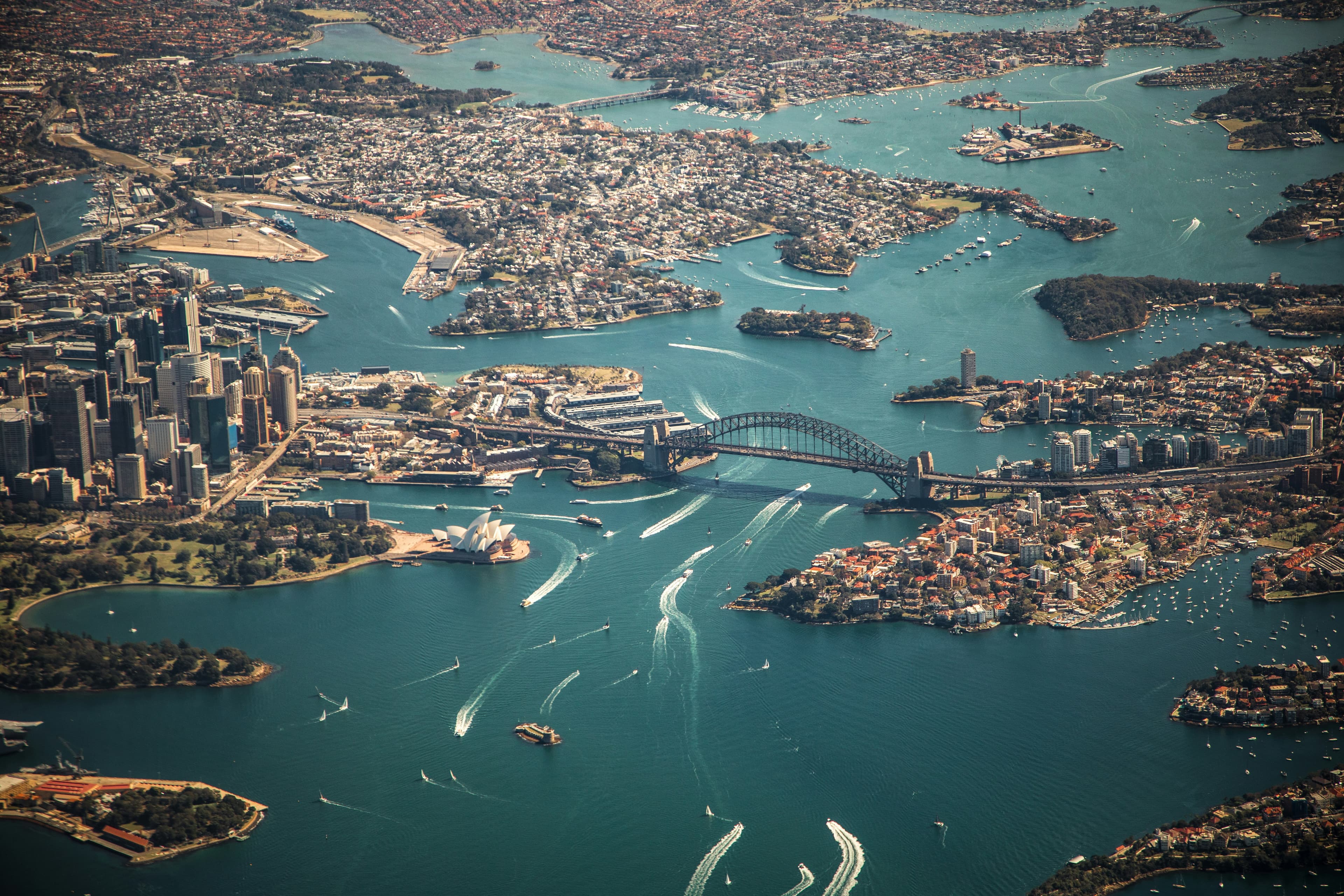

Australia travel safety tips for tourists help you plan a smoother first trip with fewer avoidable mistakes. This guide covers route flow, day-wise pacing, transport and commute safety, stay planning, and practical habits that keep your trip organized and low stress.
Route Overview And Trip Flow For First-time Visitors
A safer and smoother route begins with one arrival base, then planned city movement in one direction. Avoid overloading early days with long transfers.
- Keep day one focused on check-in and local orientation.
- Group nearby activities in the same zone per day.
- Use one buffer slot for weather or timing changes.
Best Order Of Places For A 7-day Australia Plan
For a first trip, start in a well-connected city, add one secondary stop, and finish where departure logistics are easiest. This lowers transfer fatigue and late-night risk.
- Start in a city with strong transport links.
- Add one extension city instead of multiple rushed hops.
- End near your departure transfer route.
Day-wise Plan For 7 Days
- Day 1: arrival, hotel check-in, short local walk, early rest.
- Day 2-3: core attractions in daylight and planned return timings.
- Day 4: intercity transfer and light evening activity only.
- Day 5-6: local exploration with fixed commute windows.
- Day 7: departure flow with transport margin.
Transport Between Cities And Local Commute Tips
Transport planning is central to travel safety. Keep booking details ready and avoid last-minute route decisions in unfamiliar areas.
- Pre-check intercity schedules and backup options.
- Use well-marked official pickup and drop points.
- Avoid isolated routes during late-night returns.
Australia-specific practical steps:
- Before each Australia intercity move, save ticket, terminal, and hotel-route details offline.
- Use clearly designated Australia station/airport exit and pickup zones instead of ad-hoc roadside pickups.
- For late arrivals in Australia, pick transit-friendly stays to reduce unfamiliar night transfers.
If you’re unsure about routes or safer commute options, you can also reach out to LeSo on WhatsApp for quick, practical guidance while planning.
Budget And Stay Split By Day
Safety and budget go together. Spending slightly more on a better-connected stay can reduce repeated transfer risk and daily commute stress.
- Set separate buckets for stay, transport, food, and activities.
- Keep an emergency transport buffer.
- Review spending each evening and adjust next-day plans.
Practical Travel Tips For A Smooth Trip
- Carry a small day bag with essentials and power backup.
- Keep digital and backup copies of key travel documents.
- Share daily movement plan with a trusted contact.
- Prefer well-lit active routes when returning in the evening.
Practical Checklist
- Hotel and transport points saved offline.
- Day-wise route and return timings set.
- Emergency contact list and backup route ready.
- Power bank, local connectivity, and payment options checked.
- All booking references accessible in one folder.
Frequently Asked Questions
What is the biggest safety mistake first-time tourists make?
Overpacking each day and underestimating transfer time between locations.
How can I reduce late-night travel stress?
Finish key activities earlier and stay close to reliable transit options.
Should I change hotels often during a 7-day trip?
Frequent hotel changes can increase fatigue; stable bases are usually safer and easier.
How much buffer should I keep for transfers?
Keep practical margin on transfer days so delays do not disrupt your full plan.