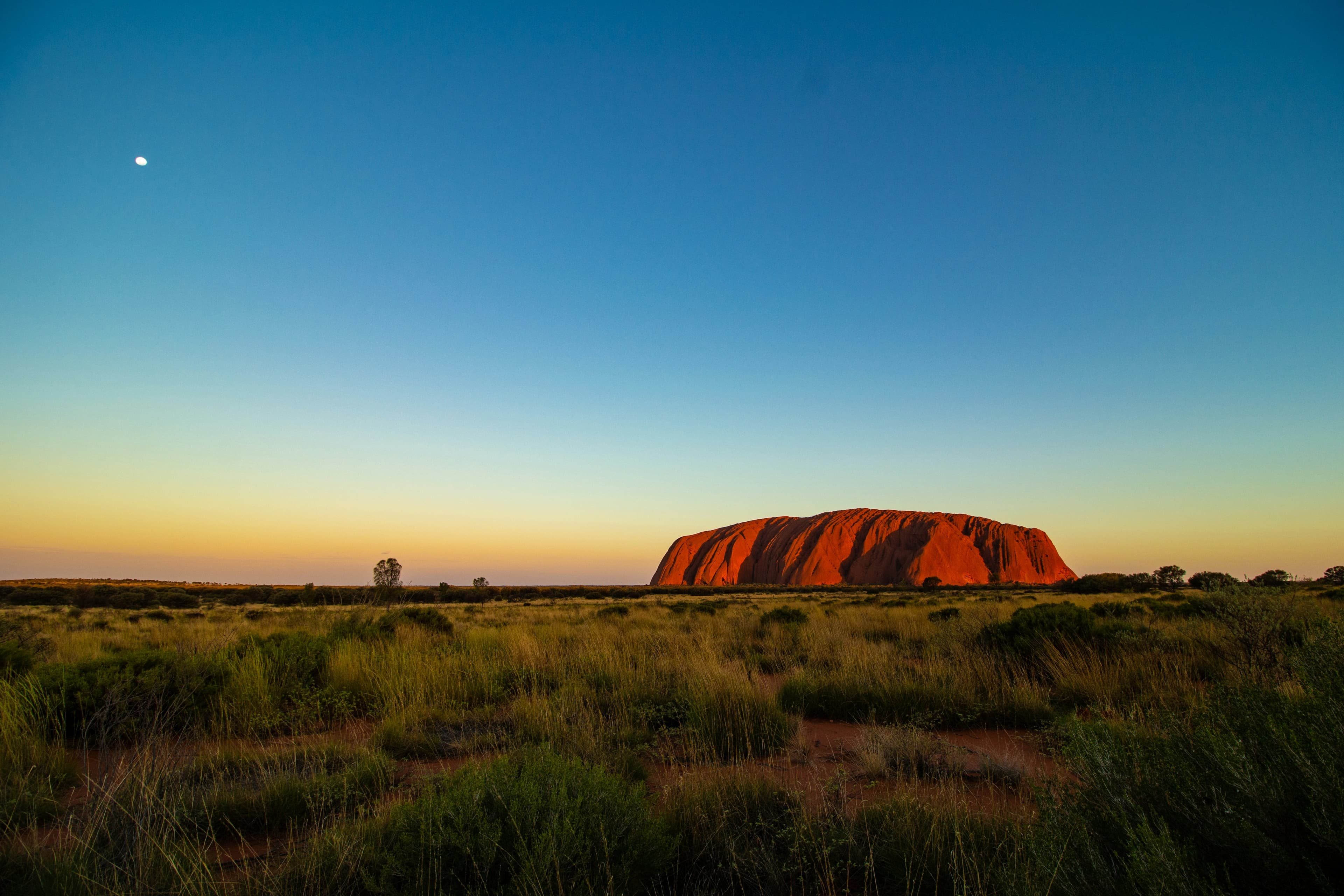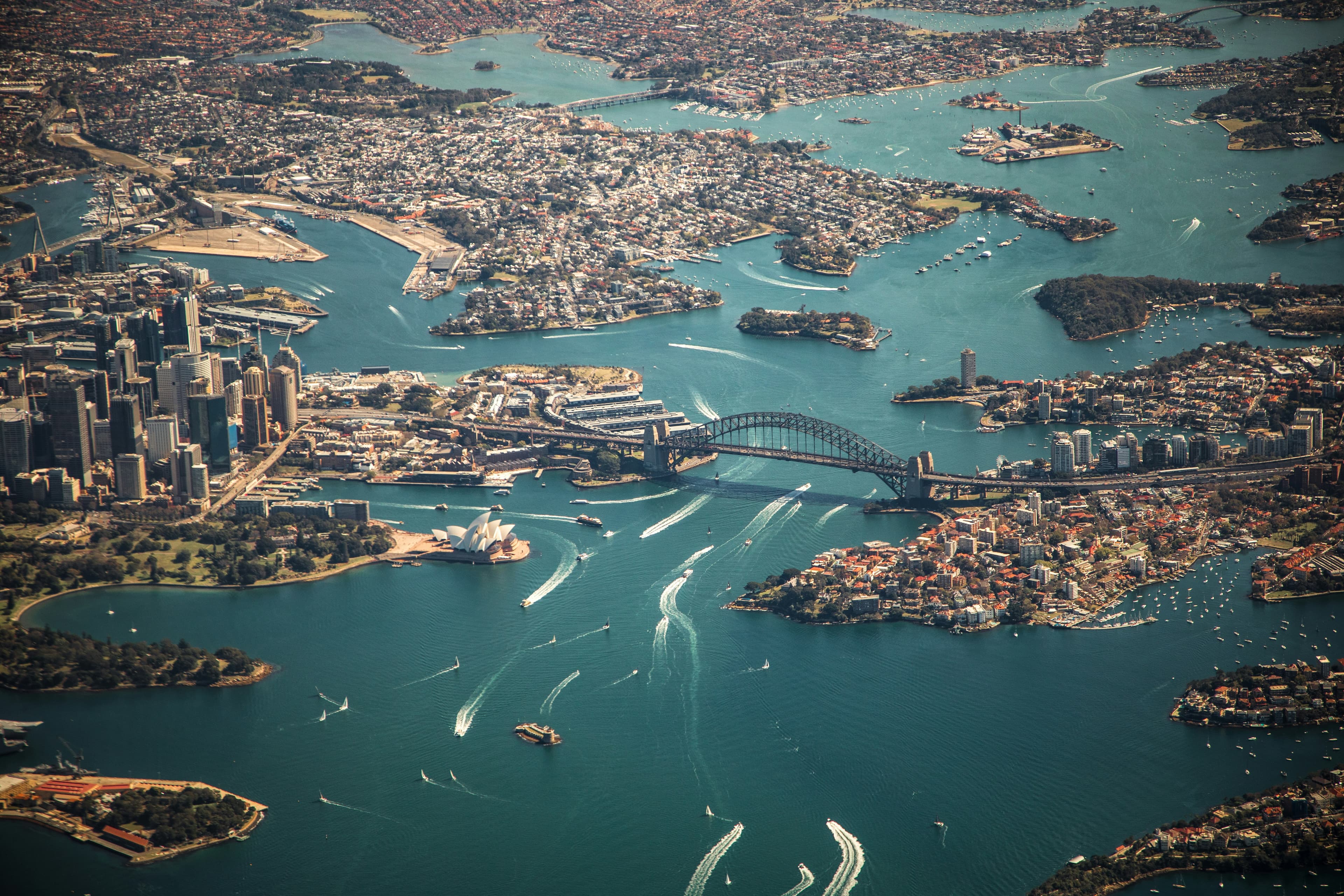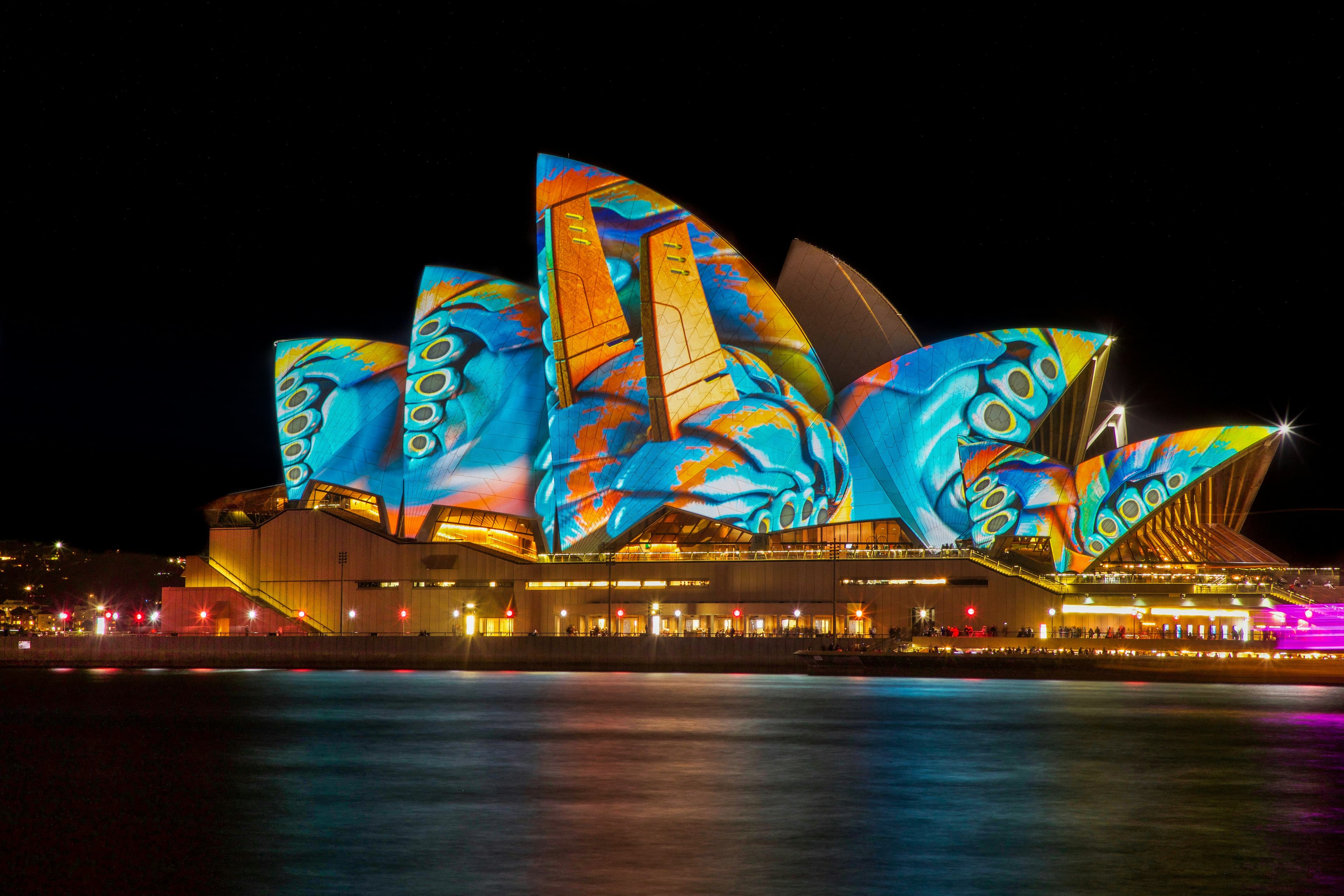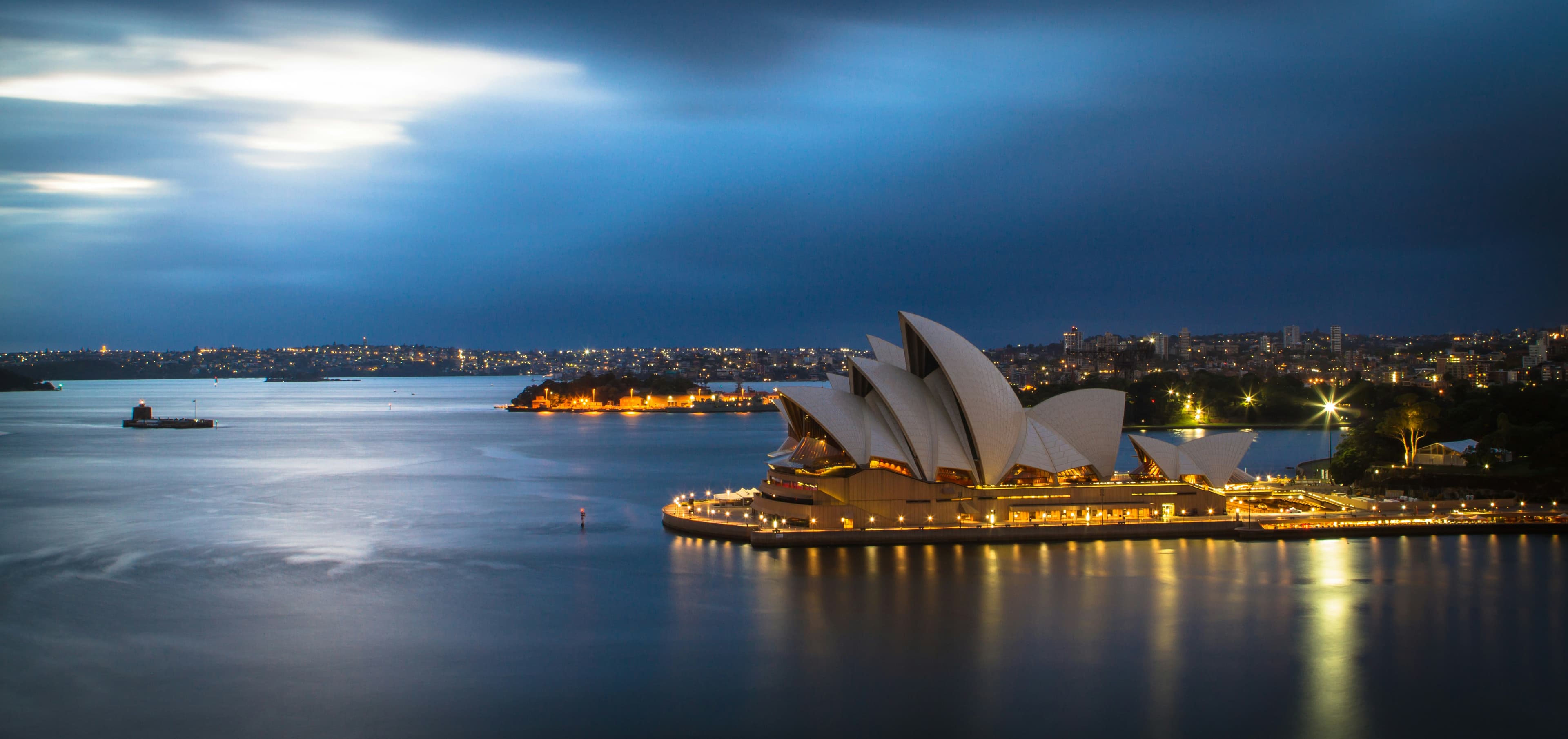

Planning your Australia trip becomes far easier when you match the right months with the right cities, weather conditions, and festival timelines before booking anything. Use this planner to match weather windows, festival dates, transport flow, and budget so your Australia trip stays smooth and cost-efficient.
Route overview and trip flow by season in Australia
Australia’s seasons vary by region, so route order matters. A practical flow is north and tropical zones during drier months, and southern cities during milder shoulder seasons.
- Summer focus: coastal cities and festival-heavy urban circuits.
- Shoulder months: balanced weather for multi-city travel.
- Winter planning: north and reef regions for warmer conditions.
Month-by-month weather patterns and daylight planning
Weather planning is essential for comfort and activity quality. Daylight length, temperature, and rain pattern can change the best time for road trips, reef tours, and city walks.
- Dec-Feb: hot in many southern areas, peak holiday movement.
- Mar-May: milder conditions, good for city plus nature combinations.
- Jun-Aug: cooler south, warmer tropical north for outdoor plans.
- Sep-Nov: spring bloom and stable weather in many routes.
Festival calendar by month and best city combinations
Festival timing can shape your city pairings. Align event dates with nearby destinations to reduce backtracking and avoid rushed transfers.
- Combine major city events with nearby day-trip regions.
- Add buffer nights around high-demand festival dates.
- Book event-period stays early to avoid price spikes.
Best order of cities based on weather and events
A weather-led city order can save time and improve trip rhythm. Start where conditions are most stable for your travel month, then move in one direction.
- East-coast flow works well for first-time travelers.
- Mix big-city stops with shorter scenic legs.
- Avoid zig-zag routes during peak event periods.
Transport between cities through peak and shoulder months
Peak months require earlier booking for flights and key rail segments. Shoulder months usually offer better seat availability and more flexible fare choices.
- Use flights for long hops to protect sightseeing time.
- Use rail/coach on medium legs where scenery adds value.
- Keep one contingency option for event-week congestion.
Budget and stay split by month including event-period pricing
Your total trip cost can shift significantly by month. Split your budget by transport, stay, and event weeks instead of using one flat daily estimate.
- Peak event months: higher hotel and last-minute transfer costs.
- Shoulder months: better value stays with stable weather.
- Early bookings: usually lower prices and wider room choices.
Practical travel tips for packing, bookings, and crowds
- Pack by region, not by country average weather.
- Reserve popular routes before festival announcements fill inventory.
- Keep flexible check-in windows on long transfer days.
- Carry light rain and sun layers for variable conditions.
- Use morning activity slots in hotter months.
Getting the timing and route right can make a huge difference to your experience. If you want a quick check on your plan before booking flights, you can message LeSo on WhatsApp and get a clearer idea of which month and route combination works best for your trip.
Frequently Asked Questions
1. Which months are best for a first Australia trip?
Shoulder months are often easier for balanced weather, manageable crowds, and route flexibility.
2. Can I combine festivals and nature routes in one itinerary?
Yes, if you align city events with nearby regions and avoid unnecessary backtracking.
3. Are transport costs much higher in peak festival periods?
They can rise quickly, so early booking is important for both flights and stays.
4. Should city order change with season?
Yes, adjusting city sequence by weather window improves comfort and reduces disruption.