
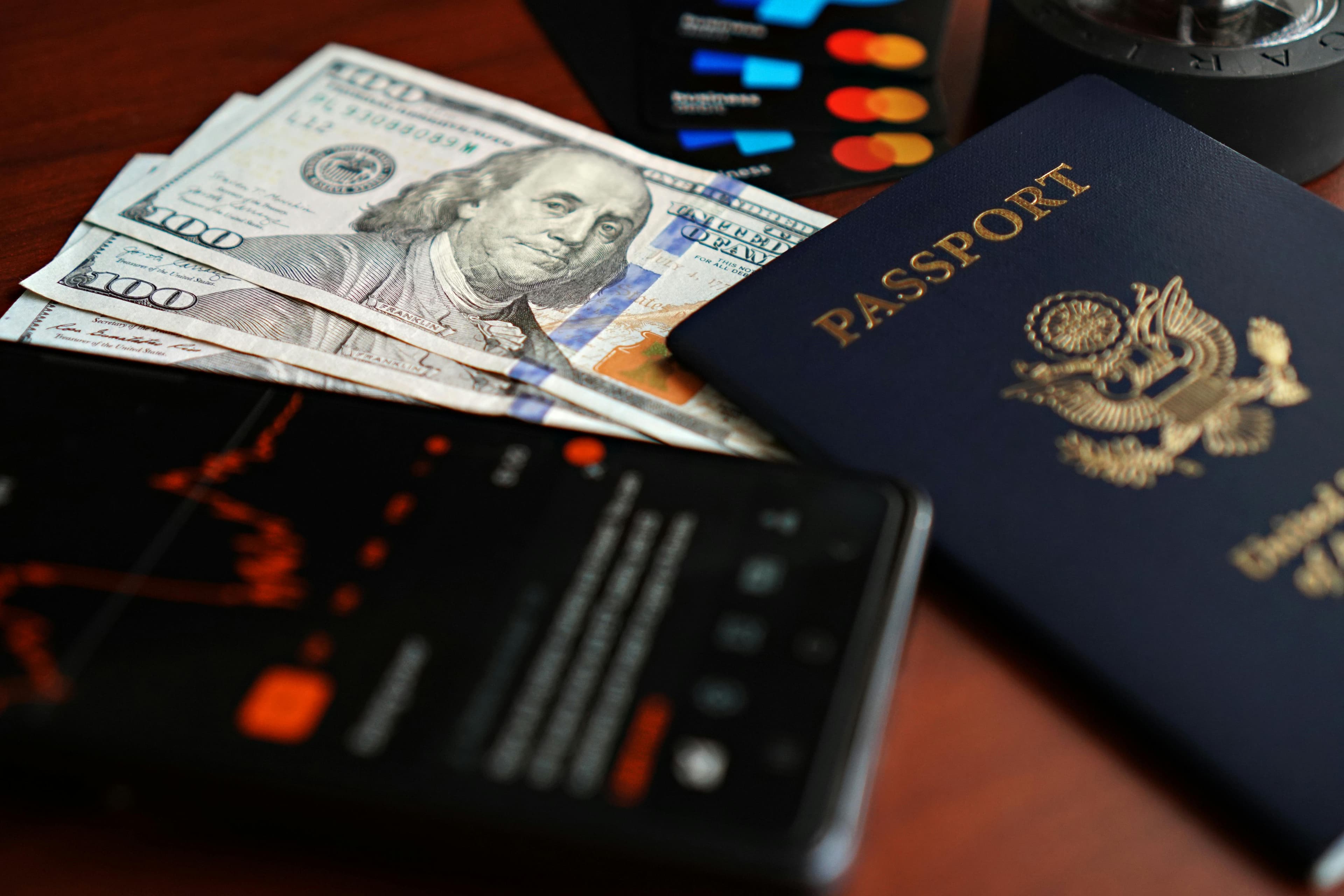
Applying for a visa can feel unpredictable, especially when decisions come within minutes. Many applicants walk out confused, wondering what went wrong. In reality, visa officers follow a clear evaluation process, and certain red flags can lead to an instant rejection.
If you are planning to apply soon, understanding these red flags can significantly improve your chances.
Why Visa Applications Get Rejected Quickly
Visa officers are trained to assess risk in a short time. They look for inconsistencies, weak intent, or anything that suggests you may not return to your home country. Even a small mistake can raise concerns.
Below are ten common red flags that often lead to immediate rejection.
1. Unclear Purpose of Travel
If you cannot clearly explain why you are visiting, your application is at risk.
Saying vague things like tourism without details can make your intent seem weak. Officers expect clarity. Where are you going, what will you do, and how long will you stay?
2. Weak Ties to Your Home Country
This is one of the biggest reasons for rejection.
If you cannot demonstrate strong reasons to return such as a stable job, ongoing education, family responsibilities, or property ownership, the officer may assume you might overstay.
3. Inconsistent Answers
Contradictions between your application form and interview answers are a major red flag.
Even small mismatches about your job, salary, or travel history can damage credibility instantly.
4. Poor Financial Proof
Insufficient or unclear financial documents can lead to rejection.
If your bank statements look irregular, recently inflated, or do not match your income, it raises suspicion about your ability to fund the trip.
5. Overprepared or Scripted Responses
While preparation is important, memorised answers can work against you.
If your responses sound rehearsed or unnatural, it may appear that you are hiding something.
6. Lack of Travel History
Having no prior travel history is not a direct reason for rejection, but it can make your profile weaker.
Applicants with international travel experience are often seen as lower risk.
7. Applying Immediately After a Rejection Without Changes
Reapplying with the same documents and answers usually leads to another rejection.
Visa officers can see your previous records. If nothing has improved, the outcome rarely changes.
8. Suspicious Documentation
Fake documents or unverifiable information will almost always result in rejection.
Even a small discrepancy can lead to serious consequences, including future visa bans.
9. Not Answering Questions Directly
Giving long, indirect, or irrelevant answers can create doubt.
Visa interviews are short. Clear and direct responses show confidence and honesty.
10. Choosing the Wrong Visa Category
Applying under the wrong visa type signals a lack of understanding or intent.
For example, applying for a tourist visa while hinting at business or work activities can lead to immediate rejection.
How to Avoid These Red Flags?
The key is preparation with clarity and honesty.
Make sure your documents are consistent, your intent is clear, and your profile reflects strong ties to your home country. Practice answering questions naturally instead of memorising scripts.
Final Thoughts
A visa rejection is not always about your profile. It is often about how your story is presented.
Avoiding these red flags can make a significant difference between approval and rejection.
Need Help With Your Visa Application?
If you want to avoid costly mistakes and improve your chances of approval, it helps to get expert guidance.
LeSo helps you prepare smarter with personalised support, document checks, and real interview insights that actually work.
Reach out to LeSo today and take the guesswork out of your visa application process.